




If you’ve ever gotten three wildly different quotes for the same patio project, you’re not alone. Quebec homeowners face unique challenges when estimating patio costs, and understanding what drives those numbers can save you thousands of dollars and countless headaches.
The truth is, patio cost in Quebec isn’t just about materials and labor. Our climate throws curveballs that contractors in warmer regions don’t deal with. Freeze-thaw cycles can destroy improperly installed patios within a few years. Building codes here are stricter for good reason. And the construction season? It’s shorter than you’d like, which affects both availability and pricing.
Why Quebec Patio Projects Have Unique Considerations
Quebec’s freeze-thaw cycles are brutal on outdoor structures. Water seeps into cracks, freezes, expands, and creates bigger cracks. This cycle repeats dozens of times each winter, which means your patio needs deeper foundations and better drainage than similar projects in milder climates.
Most municipalities in Quebec require permits for patios over a certain size or height. Some areas have specific requirements about setbacks from property lines or drainage management. These regulations exist to protect both you and your neighbors, but they add complexity and cost to your project.
The construction window typically runs from late April through October. Contractors get slammed during peak season, which can drive prices up. Book too early in spring when the ground’s still frozen, and you might face delays. Wait until fall, and you’re racing against the first frost.
Average Patio Cost Ranges in Quebec
Before we dive into the details, here’s what you’re probably looking at for a typical 200-square-foot patio:
- Basic concrete patio: Generally ranges from budget-friendly to mid-range pricing per square foot
- Paver patio: Typically costs more than basic concrete, with prices varying by material quality
- Composite deck: Usually falls in the mid to upper price range
- Natural stone patio: Premium option with higher material and installation costs
These are ballpark figures. Your actual costs will depend on site conditions, design complexity, and material choices. A simple rectangular patio on level ground costs way less than a multi-level design with curves and integrated features.
Determine Your Patio Type and Material Costs
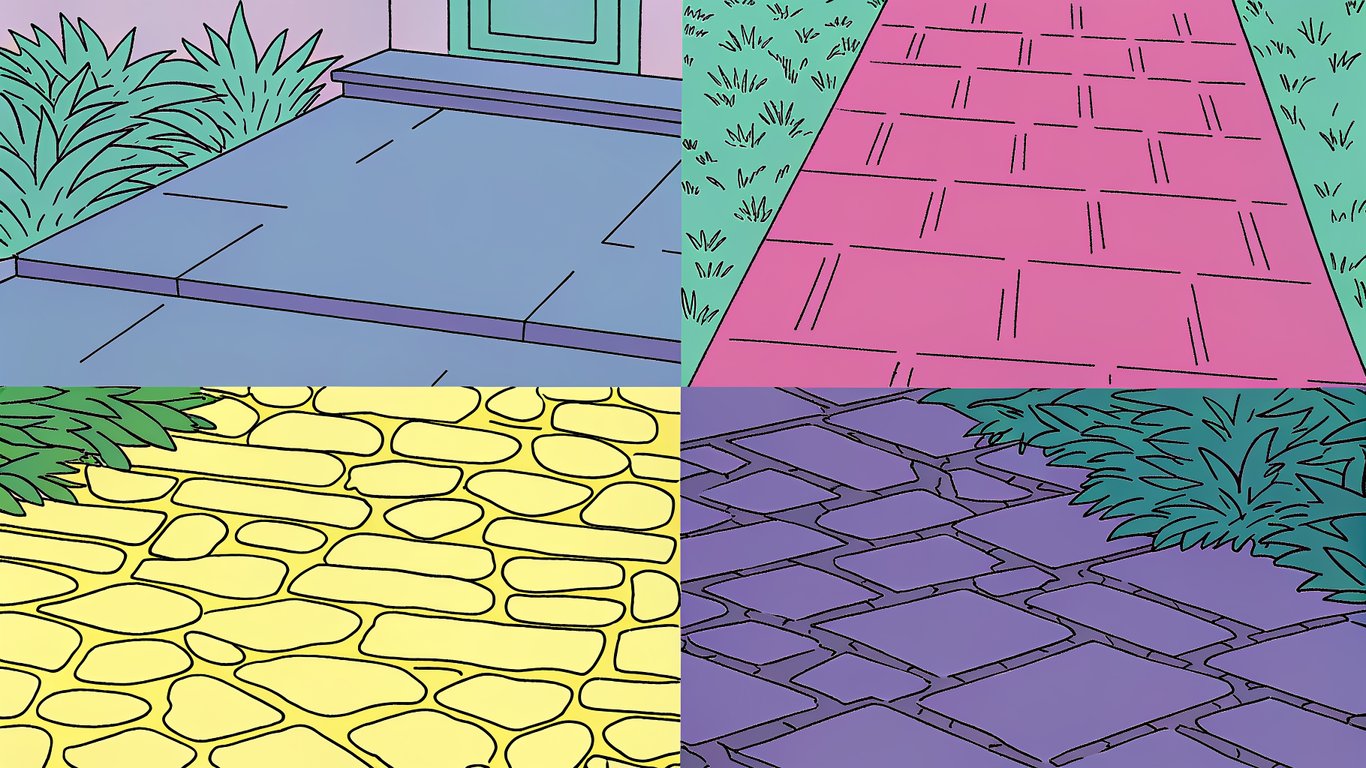
Material choice is probably the biggest factor in your patio cost. Each option has trade-offs between upfront expense, longevity, and maintenance requirements.
Concrete Patios: Costs and Considerations
Plain poured concrete is the most economical option. It’s durable when properly installed with adequate drainage and the right base depth for Quebec’s climate. The downside? It can crack over time, and aesthetically, it’s pretty basic.
Stamped or decorative concrete costs more but gives you the look of stone or pavers at a lower price point. You’ll pay extra for the stamping process and any color additives. Some homeowners love this option because it offers visual appeal without the complexity of individual pavers.
Paver Patios: Material Options and Pricing
Pavers are popular in Quebec because they handle freeze-thaw cycles better than solid concrete. Individual units can shift slightly without cracking, and if one gets damaged, you can replace it without redoing the entire patio.
Concrete pavers are the most affordable paver option. They come in various colors and patterns, and quality has improved significantly in recent years. Natural stone pavers like Unilock products cost more but offer unique textures and colors you can’t replicate with concrete.
Interlocking pavers provide extra stability. The shapes lock together, which helps prevent shifting. This feature is particularly valuable in Quebec where ground movement from freezing is common.
Wood and Composite Deck Patios
Pressure-treated wood is the budget option for elevated patios or decks. It requires regular maintenance like staining and sealing, but it’s widely available and contractors know how to work with it. Cedar costs more upfront but resists rot naturally and looks better as it ages.
Composite decking from brands like Trex or TimberTech has higher material costs but minimal maintenance requirements. You won’t need to stain or seal it, and it doesn’t splinter. Over a 20-year period, the total cost of ownership often favors composite despite the higher initial investment.
Natural Stone Patios: Flagstone, Slate, and Granite
Natural stone is the premium choice. Flagstone creates a rustic, organic look. Slate offers rich colors and smooth surfaces. Granite is incredibly durable and handles Quebec winters without breaking a sweat.
The material costs are higher, and installation takes more skill and time. But these patios can last generations with minimal maintenance. If you’re planning to stay in your home long-term, natural stone might be worth the investment.
Calculate Site Preparation and Foundation Costs
Here’s where many homeowners get surprised. The stuff you can’t see often costs as much as the materials you walk on. Proper site preparation is non-negotiable in Quebec’s climate.
Excavation and Grading Requirements
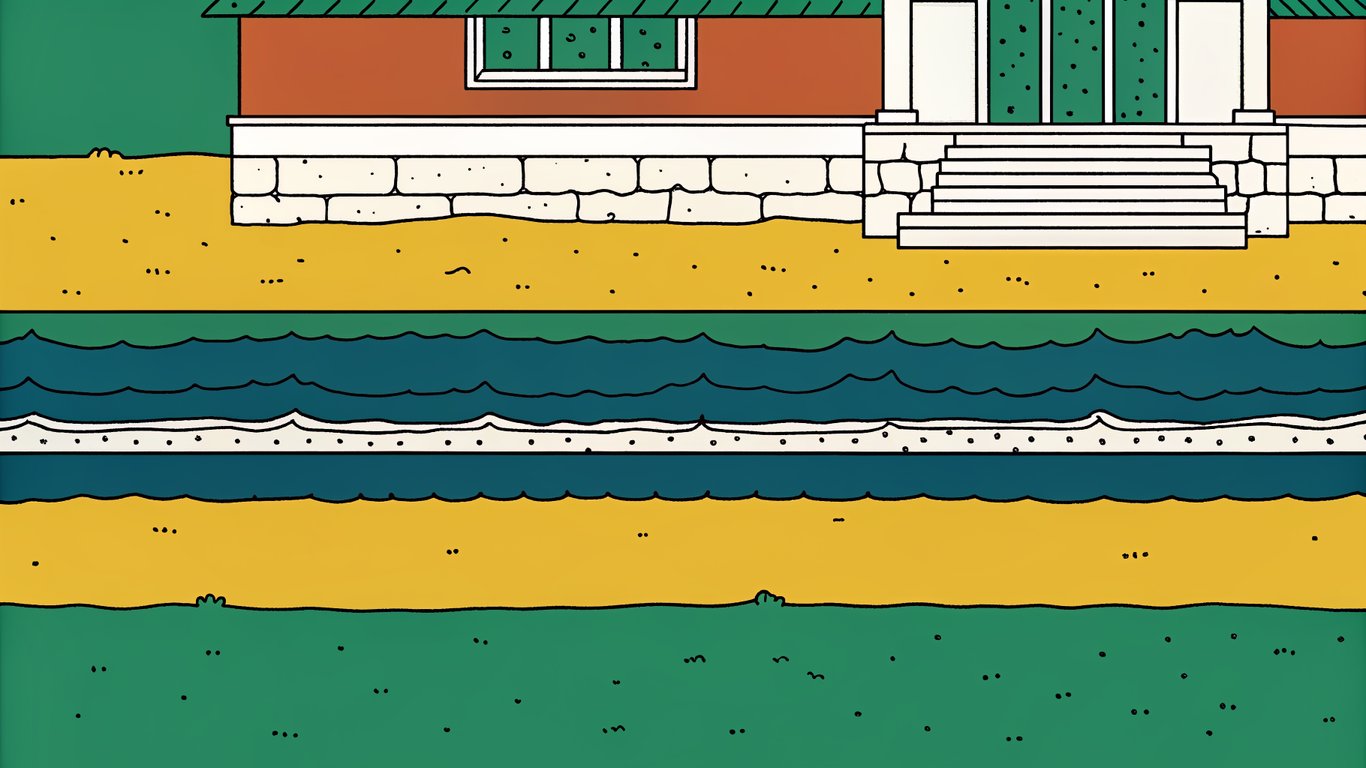
Your contractor needs to excavate deep enough to get below the frost line and create proper drainage. In Quebec, that typically means digging down at least 12 to 18 inches, sometimes more depending on your specific location and soil conditions.
Grading ensures water flows away from your house. Poor drainage is the number one cause of patio failure in Quebec. Water that pools under your patio will freeze, expand, and destroy your investment. A good contractor will create a slight slope away from your foundation.
Base Materials: Gravel, Sand, and Compaction
The base layer typically consists of crushed stone or gravel, properly compacted. This provides drainage and a stable foundation that won’t shift when the ground freezes and thaws. Skimping on base materials is a false economy that’ll cost you later.
For paver patios, you’ll also need a layer of sand on top of the gravel base. The sand allows for fine adjustments during installation and helps lock pavers in place. Quality contractors use specific grades of sand designed for this purpose.
Drainage Solutions and French Drains
Some sites need additional drainage solutions. If your yard has poor natural drainage or you’re building near a slope, your contractor might recommend a French drain system. This involves perforated pipes buried in gravel that channel water away from your patio.
French drains add to your project cost, but they’re essential in certain situations. Without proper drainage, you’re basically building a swimming pool that’ll freeze solid every winter and destroy your patio from below.
Factor in Labor Costs and Project Complexity
Labor typically represents a significant portion of your total patio cost. Understanding what drives these costs helps you evaluate quotes more effectively.
Average Labor Rates for Patio Installation in Quebec
Labor rates in Quebec vary by region and contractor experience. Montreal and Quebec City typically have higher rates than rural areas. Experienced contractors who specialize in hardscaping charge more than general handymen, but they’re usually worth it.
Some contractors charge by the hour, others by the square foot, and some provide a flat project rate. Each approach has pros and cons. Hourly rates can escalate if unexpected issues arise. Per-square-foot pricing is easier to compare but might not account for site-specific challenges.
How Design Complexity Affects Labor Costs
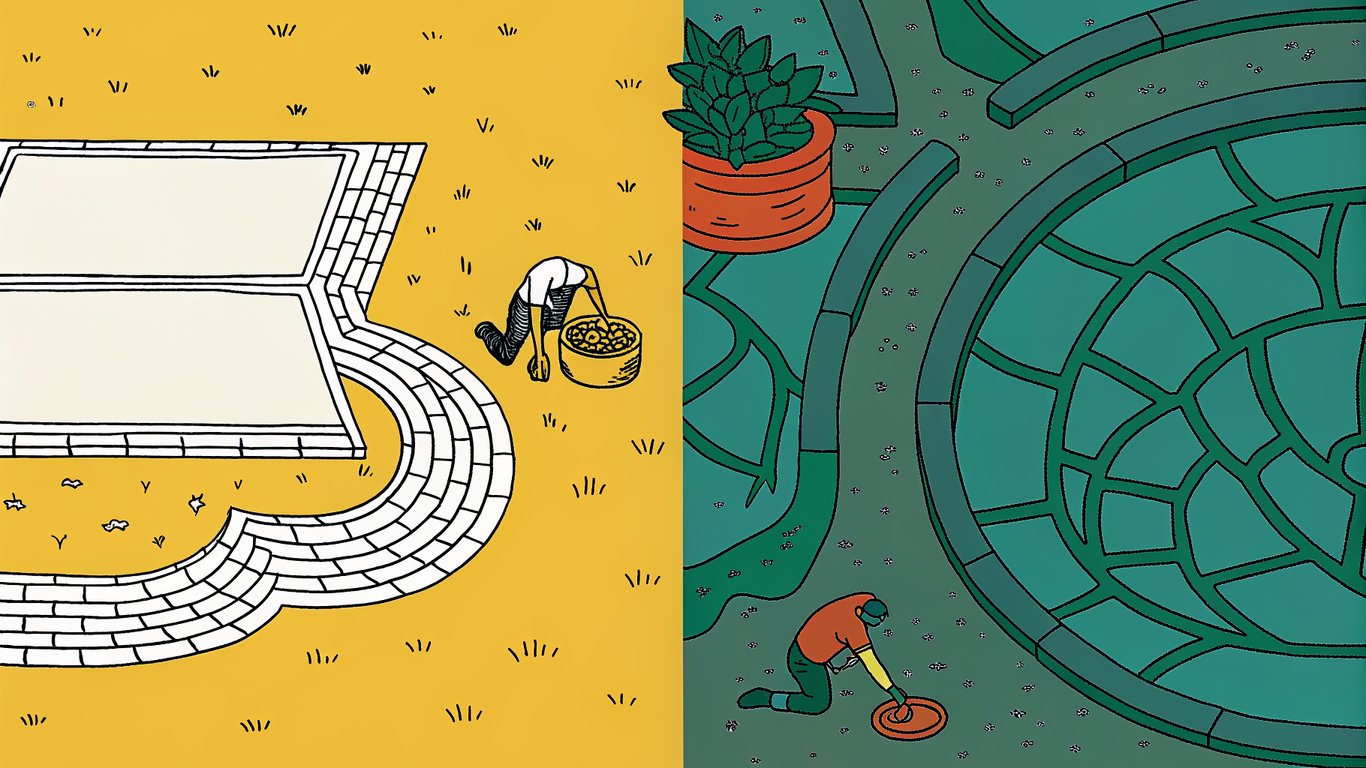
A simple rectangular patio takes less time to install than a curved design with multiple levels. Every cut, every angle, every custom detail adds labor hours. Intricate patterns with pavers require more precision and time than a basic running bond pattern.
Built-in features like planters, fire pits, or seating walls increase complexity significantly. These elements require additional excavation, materials, and skilled labor. They’re great additions, but budget accordingly.
Seasonal Pricing Variations
Spring and early summer are peak season for patio installation in Quebec. Contractors are busy, and prices reflect that demand. If you can schedule your project for late summer or early fall, you might find better rates and more availability.
That said, don’t wait too long. Contractors need enough time to complete the work before frost arrives. A rushed job in October is worse than paying peak-season prices in June.
Critical Line Items to Watch For on Contractor Quotes
A detailed quote protects both you and the contractor. Vague quotes lead to misunderstandings, scope creep, and disputes. Here’s what should be clearly itemized.
Materials Breakdown: What Should Be Itemized
Every material should be listed separately with quantities. You should see line items for base gravel, sand, pavers or concrete, edging materials, and polymeric sand for joints. If the quote just says « materials, » ask for details.
Specifications matter too. Not all pavers are created equal. The quote should specify brand, style, and color. Same goes for composite decking or any other materials. This prevents the contractor from substituting cheaper alternatives.
Labor Line Items: Installation vs. Preparation
Labor should be broken down by task: excavation, base preparation, installation, and finishing work. This transparency helps you understand where your money goes and makes it easier to compare quotes from different contractors.
A single « labor » line item is a red flag. It suggests the contractor either hasn’t thought through the project carefully or is trying to hide something. Either way, it makes comparison shopping nearly impossible.
Permits and Compliance Costs
Many Quebec municipalities require permits for patio construction. The contractor should include permit fees in their quote and handle the application process. If permits aren’t mentioned, ask about them specifically.
Some contractors try to skip permits to save money or time. Don’t let them. Unpermitted work can cause problems when you sell your house, and you might be forced to remove or modify the patio to bring it into compliance.
Equipment and Machinery Rental Fees
Large projects require equipment like excavators, plate compactors, or concrete mixers. These rental costs should be itemized. If they’re buried in labor costs, you can’t tell if you’re being overcharged.
Waste Removal and Disposal Fees
Excavation generates a lot of soil and debris. Someone needs to haul it away, and that costs money. The quote should specify who’s responsible for disposal and what it’ll cost. Don’t assume it’s included unless it’s explicitly stated.
Finishing Touches: Sealing, Edging, and Landscaping
Sealing protects pavers and enhances their color. Edging keeps pavers from shifting. Landscaping around the patio integrates it with your yard. These finishing touches might be optional, but they’re often worth the investment.
Make sure you know what’s included in the base quote versus what’s an add-on. Some contractors include basic edging but charge extra for premium options. Others leave all finishing work as optional upgrades.
Hidden Costs and Common Add-Ons to Budget For
Even the most detailed quote can’t predict everything. Smart homeowners budget for contingencies.
Unexpected Site Conditions
You won’t know what’s under your yard until you start digging. Rock ledge, poor soil, or high water tables can all increase costs. A good contractor will mention this possibility upfront and explain how they’ll handle it.
Budget at least 10-15% extra for contingencies. If you don’t need it, great. But if you hit rock and need extra excavation, you won’t be scrambling to find additional funds.
Utility Line Location and Protection
In Quebec, you must contact Info-Excavation before any digging project. This free service locates underground utilities like gas, electric, and water lines. The contractor should handle this, but verify they’ve done it.
If utilities run through your patio area, you might need to reroute them or adjust your design. This can add significant costs that won’t appear in initial quotes.
Stairs, Railings, and Accessibility Features
Elevated patios need stairs. Depending on height, you might also need railings to meet building codes. These safety features add cost but aren’t optional if required by code.
Lighting, Electrical, and Plumbing Rough-Ins
Planning to add lighting or a water feature later? Install the rough-ins now while everything’s torn up. Running electrical or plumbing after the patio’s complete costs way more than doing it during construction.
How to Compare Multiple Quotes Effectively
Getting three quotes is standard advice, but comparing them effectively requires some work.
Creating a Quote Comparison Spreadsheet
Build a spreadsheet with columns for each contractor and rows for every line item. This forces you to compare apples to apples. You’ll quickly see if one contractor is using cheaper materials or skipping steps.
Include columns for material specifications, not just costs. A lower price might mean lower quality materials. Your spreadsheet should capture these differences.
Red Flags in Contractor Quotes
Watch out for quotes that are significantly lower than others. Either the contractor doesn’t understand the scope, plans to cut corners, or will hit you with change orders later. None of these scenarios end well.
Vague descriptions are another warning sign. « Install patio » tells you nothing. You want specifics about materials, methods, and timeline. Missing warranty information is also concerning. What happens if something goes wrong? For a comprehensive list of what to ask, consult our guide on questions to ask a patio contractor before signing a quote.
Questions to Ask Before Signing
- What’s your payment schedule? (Never pay everything upfront)
- How long will the project take?
- What warranty do you provide on materials and labor?
- Who’s responsible if we discover rock or other site issues?
- Will you handle permits and inspections?
- What happens if weather delays the project?
- Can I see references from recent similar projects?
Verifying Contractor Credentials in Quebec
In Quebec, contractors need a license from the Régie du bâtiment du Québec (RBQ) for projects over a certain value. Verify their license number and check for any complaints or violations.
Also confirm they carry liability insurance. If someone gets hurt on your property during construction, you don’t want to be liable. Ask for proof of insurance and verify it’s current.
DIY vs. Professional Installation: Cost-Benefit Analysis
Can you save money doing it yourself? Maybe. Should you? That depends.
What You Can Realistically Save with DIY
You’ll save on labor costs, which can be substantial. But you’ll need to rent equipment, and you’ll probably work slower than professionals. Factor in your time at a reasonable hourly rate. If the project takes you three weekends, that’s a lot of hours.
You also risk making mistakes that cost money to fix. Improper base preparation or drainage can destroy your patio within a few years. Then you’re paying to redo everything.
When Professional Installation Is Non-Negotiable
If your project requires permits, you probably need a licensed contractor. Many municipalities won’t issue permits to homeowners for significant hardscaping projects. Complex designs with multiple levels, curves, or integrated features are also best left to professionals.
Sites with drainage issues, slopes, or poor soil conditions require expertise you probably don’t have. Getting these wrong in Quebec’s climate is expensive. The money you save on labor won’t cover the cost of fixing a failed patio.
Making an Informed Decision on Your Quebec Patio Project
Estimating patio costs in Quebec isn’t simple, but it’s not mysterious either. Armed with the right information, you can evaluate quotes confidently and avoid costly surprises.
Your Patio Cost Estimation Checklist
- Determine your preferred material and understand its cost implications
- Account for proper excavation depth and base materials for Quebec’s climate
- Include drainage solutions if your site needs them
- Verify all quotes include permits and compliance costs
- Budget 10-15% extra for contingencies
- Compare quotes line by line, not just total price
- Verify contractor credentials and insurance
- Get everything in writing, including warranties and payment schedules
Next Steps: Getting Accurate Quotes
Start by defining your project scope clearly. Know what size patio you want, what materials interest you, and what features you need. The more specific you are, the more accurate your quotes will be.
Contact at least three contractors who specialize in hardscaping. General contractors can build patios, but specialists typically do better work and understand Quebec’s climate challenges. Ask for detailed written quotes that break down all costs.
Don’t rush the decision. A patio is a significant investment that should last decades. Take time to compare quotes thoroughly, check references, and verify credentials. The cheapest option rarely delivers the best value, but the most expensive isn’t automatically the best either. Look for the contractor who demonstrates expertise, provides detailed quotes, and communicates clearly about potential challenges.