




You’re about to spend thousands of dollars on a deck. Maybe it’s your first major home renovation, or maybe you’ve been burned before. Either way, showing up to contractor meetings without a plan is like walking into a negotiation blindfolded.
The difference between a deck that lasts 20 years and one that starts sagging after three? It’s not just the materials. It’s whether you asked the right questions before signing anything.
The Cost of Hiring the Wrong Contractor
Hiring the wrong deck contractor doesn’t just mean wasted money. It means dealing with failed inspections, surprise charges halfway through the project, and crews that disappear for weeks at a time. Some homeowners end up paying twice: once for the botched job, and again to fix it properly.
Common problems include contractors who cut corners on structural support, use substandard materials while charging premium prices, or simply vanish after taking your deposit. These aren’t rare horror stories. They happen when homeowners don’t know what questions to ask upfront.
What Makes Quebec Deck Projects Unique
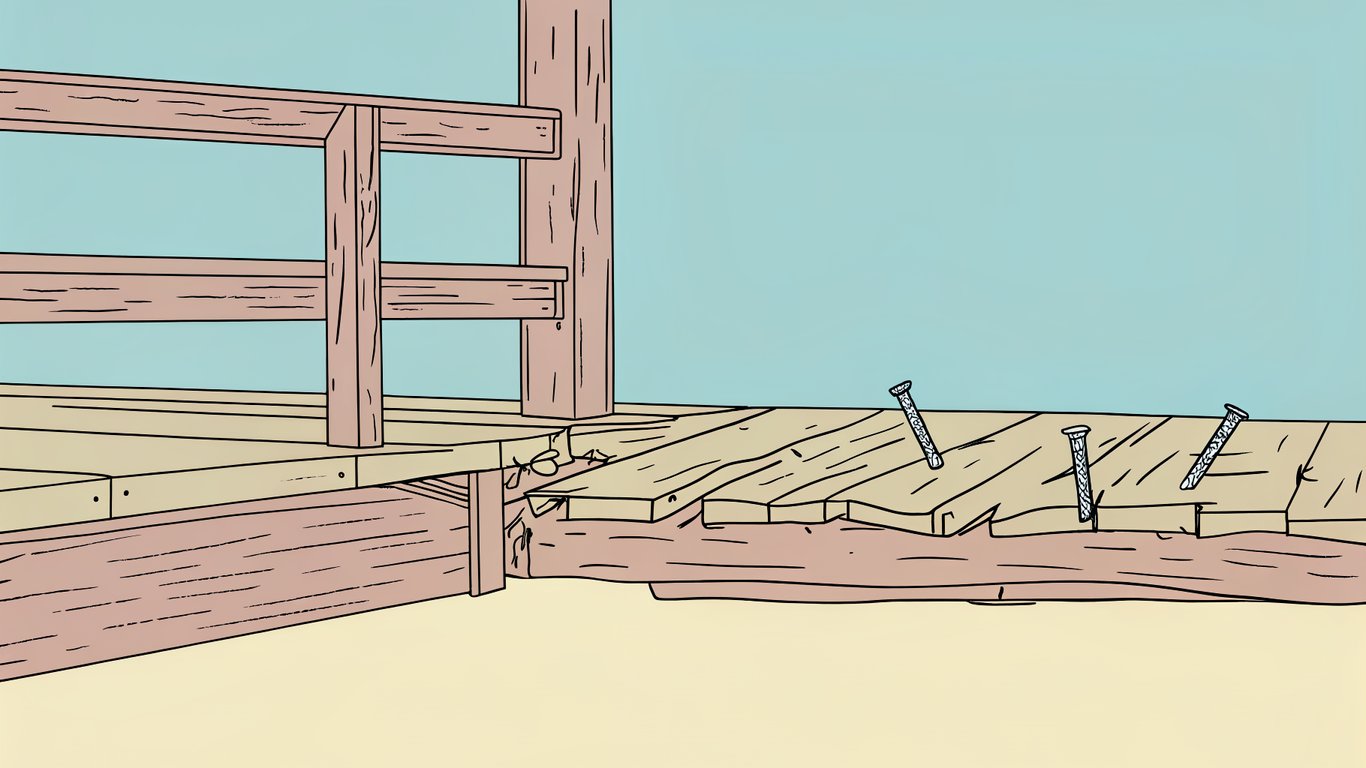
Quebec isn’t Michigan or Ontario. The freeze-thaw cycles here are brutal on outdoor structures. Your deck needs to handle snow loads that would crush structures built to warmer-climate standards. Plus, Quebec has specific regulatory requirements through the Régie du bâtiment du Québec (RBQ) and Commission de la construction du Québec (CCQ) that contractors must follow.
Municipal building codes vary across the province too. What’s allowed in Montreal might not fly in Quebec City or Gatineau. Your contractor needs to know these local requirements inside and out.
How to Use This Checklist
Print this checklist before you meet with contractors. Bring it to every site visit. Take notes directly on the page as you talk. Don’t rely on memory later when you’re comparing three different quotes and trying to remember who said what.
The checklist is organized by category so you can skip around based on how the conversation flows. You don’t need to ask every question in order. But you should cover every category before making your decision.
Before You Meet: Preparation Checklist for Homeowners
Walking into contractor meetings unprepared wastes everyone’s time. You’ll get vague answers because you’re asking vague questions. Worse, contractors might assume you don’t know what you want and steer you toward whatever’s easiest for them to build.
Document Your Current Space
Take photos of where your deck will attach to your house. Get shots of the surrounding yard, including any slopes, drainage issues, or obstacles like trees and utility boxes. Measure the space roughly so you can discuss realistic size options.
Note any property features that might affect construction: steep grades, poor drainage, proximity to septic systems, or underground utility lines. These details help contractors give you accurate quotes instead of ballpark estimates that change later.
Define Your Budget and Priorities
Be honest about what you can spend. Not what you wish you could spend. Contractors can work with a real budget, but they can’t read minds.
Separate your must-haves from nice-to-haves. Do you need built-in planters? Deck lighting? A pergola? Heated flooring? Write down which features you’d cut if the quote comes in too high. This makes it easier to adjust the scope without starting from scratch.
Research Material Preferences
You don’t need to become a materials expert, but knowing the basics helps you have informed conversations. Composite decking brands like Trex and TimberTech offer low-maintenance options that handle Quebec winters well. Traditional wood options include pressure-treated lumber and cedar, each with different maintenance requirements and lifespans.

Understanding these options means you can ask specific questions about why a contractor recommends one material over another for your climate and budget.
Identify Property Considerations
Before contractors arrive, check for potential complications:
- Septic tank or field locations
- Underground utility lines (call Info-Excavation for Quebec line locations)
- Property easements or setback requirements
- Homeowners association restrictions if applicable
- Municipal zoning rules for your area
Knowing these details upfront prevents surprises that delay your project or require expensive design changes mid-construction.
The Complete Printable Checklist: Essential Questions to Ask Deck Contractor
Here’s your comprehensive list of questions to ask deck contractor professionals. Each category addresses a critical aspect of hiring and working with a deck builder in Quebec.
Licensing, Insurance & Legal Compliance (Quebec-Specific)
Quebec requires specific licensing and insurance that contractors in other provinces don’t need. Don’t skip these questions.
- Do you have a valid RBQ license number I can verify?
- Can you provide proof of liability insurance with coverage amounts?
- Are you registered with CNESST for workers’ compensation?
- Do you comply with CCQ requirements for construction workers?
- Will you provide copies of all insurance certificates before starting work?
Why this matters: If a worker gets injured on your property and the contractor doesn’t have proper CNESST coverage, you could be held liable. RBQ licensing ensures the contractor meets provincial standards. You can verify RBQ licenses online through the Régie du bâtiment website.
Experience & Portfolio Verification
- How many years have you been building decks in Quebec?
- How many deck projects do you complete annually?
- Can you show me photos of decks you’ve built in my municipality?
- Do you specialize in any particular deck types or materials?
- What’s the largest deck project you’ve completed?
- Have you worked with the specific materials I’m considering?
Look for contractors with local Quebec experience, not just generic portfolio photos. Stock images from manufacturers don’t prove they’ve actually built anything. Ask to see projects completed in your area within the past two years.
References & Reputation Check
- Can you provide at least three references from recent projects?
- May I contact homeowners whose decks you built last year?
- Do you have any projects in my neighborhood I could see?
- Are you willing to share contact information for your most recent clients?
When you call references, ask specific questions: Did the crew show up consistently? How were change orders handled? Did the deck pass inspection on the first try? Was the project completed on the promised timeline? Would they hire this contractor again?
Materials & Product Knowledge
- Which materials do you recommend for Quebec’s climate, and why?
- Are you a certified installer for the brands you’re proposing?
- Where do you source your materials?
- What warranties come with the materials you use?
- How do different materials perform in freeze-thaw cycles?
- What maintenance will be required for the materials you’re recommending?
Contractors who really know their stuff will explain trade-offs between options. They won’t just push the most expensive choice or whatever they have in stock.
Warranties & Guarantees
- What does your workmanship warranty cover, and for how long?
- Is the warranty transferable if I sell my house?
- What’s not covered under your warranty?
- How do I file a warranty claim if something goes wrong?
- What’s your response time for warranty issues?
- Do you provide written warranty documentation?
Vague warranty language is a red flag. You want specific details about what’s covered, for how long, and what the process looks like if you need to use it.
Project Team & Staffing
- Who exactly will be building my deck?
- Do you use W2 employees or subcontractors?
- If you use subcontractors, how do you vet them?
- Will the same crew be on site every day?
- What’s the typical crew size for a project like mine?
- Who supervises the crew on site?
This matters because crew consistency affects quality. If you’re seeing different people every day, nobody’s taking ownership of the work. And if the contractor uses random subcontractors they barely know, you’re taking on extra risk.
Permits & Inspections
- Who handles obtaining the municipal permits?
- Are permit costs included in your quote?
- How long does the permit process typically take in my municipality?
- Who schedules required inspections?
- What happens if the deck doesn’t pass inspection?
- Have you had projects fail inspection? How did you handle it?
Reputable contractors handle all permitting and inspection scheduling. If they suggest skipping permits to save money, walk away. That’s illegal and leaves you liable.
Project Timeline & Schedule
- How long will this project take from start to finish?
- When can you start work?
- What are your typical work hours?
- How do you handle weather delays?
- What could cause timeline changes?
- Will you be working on other projects simultaneously?
Quebec weather affects construction schedules. Contractors should account for this in their estimates. Be wary of anyone who promises unrealistic timelines or can start immediately when everyone else is booked weeks out.
Communication & Project Management
- Who will be my primary point of contact?
- How quickly do you typically respond to questions?
- How often will you provide progress updates?
- What’s the best way to reach you (phone, text, email)?
- Who makes decisions about unexpected issues that come up?
- How do you handle homeowner concerns during construction?
Good contractors check in regularly without you having to chase them down. You should know what’s happening each week, when the next phase starts, and if anything changes.
Pricing, Payment & Contract Terms
- What’s included in your quoted price?
- What’s your payment schedule?
- How much deposit do you require?
- How do you handle change orders?
- Will I receive a detailed written contract?
- What happens if I need to cancel or postpone?
- Are there any potential additional costs I should know about?
Never pay the full amount upfront. Typical payment schedules involve a deposit, progress payments at specific milestones, and final payment upon completion and inspection approval.
Site Management & Cleanup
- What’s your daily cleanup protocol?
- Where will materials be stored on my property?
- How do you protect my existing landscaping and property?
- What does final site restoration include?
- Who’s responsible for disposing of old deck materials if this is a replacement?
- Will you need access to water or electricity?
Professional contractors clean up daily and protect your property throughout construction. If they leave your yard looking like a disaster zone every evening, that’s a sign of how they approach the whole job.
How to Evaluate Contractor Responses: Red Flags vs. Green Flags
Asking questions is only half the battle. You need to know what answers to watch out for.
Critical Red Flags to Watch For
Some warning signs should end the conversation immediately:
- Quotes significantly lower than others: Either they’re cutting corners, planning surprise charges later, or don’t know what they’re doing
- Missing or expired licenses and insurance: This puts you at legal and financial risk
- No written contract: Or contracts that are vague about scope, timeline, and payment terms
- No local portfolio: Stock photos from manufacturers don’t prove they’ve built anything
- High-pressure tactics: « This price is only good today » or demanding deposits immediately
- Vague warranty language: That doesn’t specify what’s covered or for how long
- Reluctance to provide references: Or references that are all from years ago
- Can’t explain material choices: Just pushes whatever’s cheapest or most profitable
Positive Indicators of a Quality Contractor
Look for these green flags:
- Detailed written proposals that break down costs by category
- Transparent communication about potential challenges with your project
- Portfolio of recent local Quebec projects you can verify
- Proper documentation readily available (licenses, insurance, references)
- Professional references who speak positively about their experience
- Willingness to explain material options and trade-offs
- Clear warranty terms in writing
- Realistic timelines that account for permits and weather
- Asks you detailed questions about your needs and property
Comparing Multiple Quotes Effectively
Don’t just compare bottom-line prices. Use your checklist responses to create an apples-to-apples comparison. One contractor might be cheaper because they’re using lower-grade materials or skipping steps that others include.
Create a simple comparison chart with contractors across the top and your key criteria down the side: licensing status, warranty terms, timeline, materials proposed, payment schedule, and references. This makes it easier to see which contractor offers the best overall value, not just the lowest price.
During the Onsite Meeting: Using Your Checklist Effectively
The onsite meeting is where you learn the most about a contractor. How they conduct themselves tells you as much as what they say.
What to Observe During the Site Visit
Watch how contractors assess your property. Do they take measurements? Ask about drainage? Point out potential issues like slopes or attachment concerns? Or do they barely look around before throwing out a number?
Professional contractors identify challenges proactively. They’ll mention things like « We’ll need to address this grade issue » or « The attachment point here will require additional support. » That’s someone who knows what they’re doing.
Notice their professionalism too. Do they show up on time? Are they prepared with measuring tools and note-taking materials? Do they listen to your needs or just talk at you?
Taking Notes and Documenting Responses
Write directly on your checklist as you talk. Don’t wait until after they leave. You’ll forget details, and when you’re comparing three contractors later, everything will blur together.
Note not just what they say, but how they say it. Did they answer confidently or seem uncertain? Were they transparent about potential issues or dismissive of your concerns? These impressions matter when making your final decision.
Requesting Written Follow-Up
Before the contractor leaves, confirm what you’ll receive in writing:
- Detailed quote with itemized costs
- Proposed timeline with key milestones
- Material specifications and brands
- Warranty terms
- Contact information for references
- Copies of license and insurance certificates
Get a timeframe for when you’ll receive this documentation. If they promise it in three days and you don’t hear anything for two weeks, that tells you how they’ll communicate during the actual project.
Special Considerations for Quebec Deck Projects
Quebec’s climate and regulations create unique requirements that contractors from other regions might not understand.
Quebec Climate & Weather Considerations
Freeze-thaw cycles destroy poorly built decks. Your contractor needs to account for frost heave in foundation design, use materials rated for temperature extremes, and ensure proper drainage to prevent ice damage.
Ask specifically: How will the deck handle snow loads? What’s the frost line depth in my area, and how deep will footings go? How does material choice affect winter performance?
Provincial Regulations & Building Codes
RBQ requirements exist for a reason. Contractors must be licensed for the work they’re doing. You can verify any contractor’s license status on the RBQ website before hiring them.
Municipal codes vary across Quebec. What’s required in one city might differ in another. Your contractor should know the specific requirements for your municipality without having to look them up.
Seasonal Timing for Deck Projects
Most deck construction in Quebec happens between May and October. Ground conditions and temperature requirements make winter building impractical for most projects.
Book early if you want summer completion. Good contractors fill their schedules months in advance. If you’re calling in June hoping for July installation, you’ll probably be waiting until August or September.
Download Your Free Printable Checklist & Next Steps
You’ve got the questions. Now it’s time to use them.
How Many Contractors Should You Interview?
Get quotes from at least three contractors. More than five becomes overwhelming and probably unnecessary. Three to five gives you enough comparison points without drowning in options.
Don’t just go with whoever responds first or offers the lowest price. Use your checklist to evaluate each contractor across all the factors that matter: experience, communication, materials, warranties, and overall professionalism.
Making Your Final Decision
Price matters, but it shouldn’t be your only consideration. A contractor who charges 15% more but has better insurance, stronger warranties, and more reliable communication is probably worth the extra cost.
Trust your instincts too. If something feels off about a contractor, even if you can’t pinpoint exactly what, listen to that feeling. You’re going to be working with these people for weeks. Choose someone you’re comfortable having on your property.
After You Hire: Keeping Your Checklist Handy
Don’t throw away your checklist once you’ve hired someone. Keep it with your project documents. If issues come up during construction, you can reference what the contractor promised during your initial meetings.
The checklist also serves as a reference for warranty claims down the road. If something goes wrong two years later, you’ll have documentation of what was supposed to be covered and for how long.
Your deck is a major investment. Taking the time to ask the right questions to ask deck contractor professionals upfront protects that investment and gives you peace of mind throughout the project. Print the checklist, do your homework, and don’t settle for contractors who can’t answer your questions clearly and confidently.