




You’ve decided to build a deck. You’re excited about summer barbecues and morning coffee overlooking your yard. But here’s the thing: choosing a reputable deck contractor based solely on who gives you the lowest number can turn that dream into a financial nightmare.
Most homeowners make the same mistake. They get three deck quotes, see one that’s $5,000 cheaper than the others, and sign immediately. Six weeks later, they’re dealing with surprise charges for things they assumed were included. The « cheap » quote ends up costing more than the higher estimates.
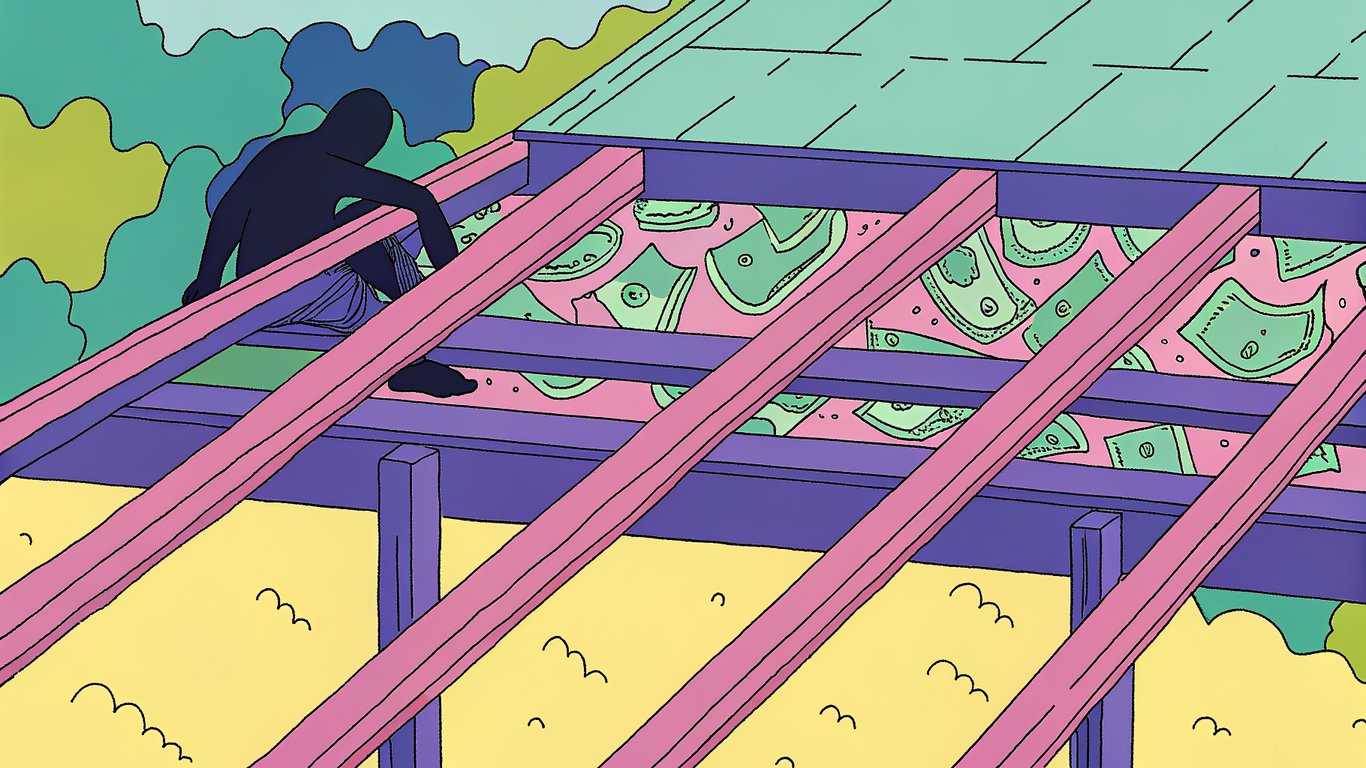
The True Cost of Choosing the Wrong Contractor
Incomplete quotes don’t just cost you money. They cost you time, stress, and sometimes the structural integrity of your deck. When a contractor leaves out critical items like proper footings or railings, you’re not getting a deal. You’re getting a partial project that’ll need expensive fixes down the road.
Budget overruns happen when contractors use vague language or bury exclusions in fine print. What looked like a $15,000 project suddenly becomes $22,000 because debris removal, staining, and permit fees weren’t included. And by then, you’re already committed.
What Makes Deck Projects in Quebec Unique
If you’re building in Quebec, you’re dealing with specific challenges that contractors from other provinces might not understand. Our freeze-thaw cycles are brutal on deck structures. Footings need to go below the frost line, which varies across the province but typically sits around 4-5 feet deep.
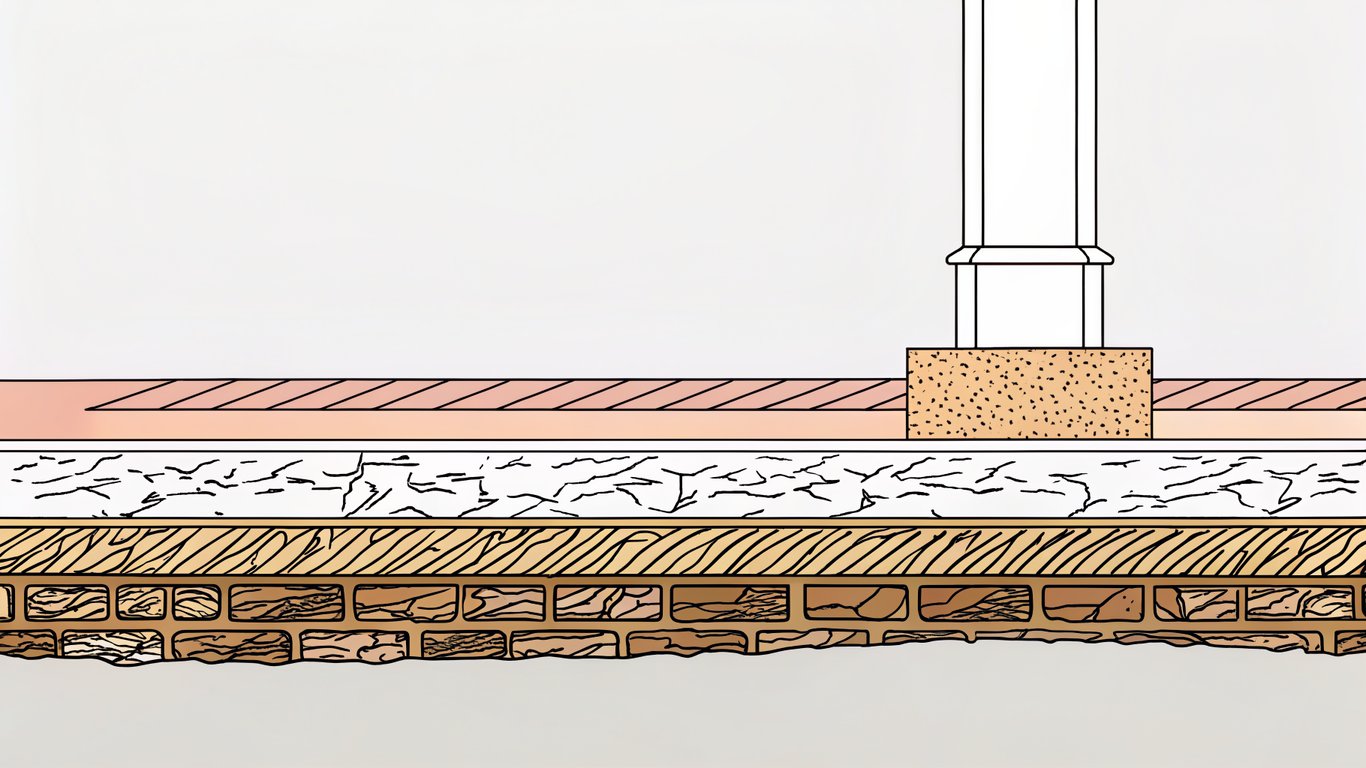
Quebec’s building codes are strict, and for good reason. The Régie du bâtiment du Québec (RBQ) requires contractors to be licensed for deck construction. Any deck quote you receive should reference RBQ compliance and include permit acquisition in the scope. If it doesn’t, that’s your first red flag.
Before You Request Quotes: Setting Yourself Up for Success
Getting comparable quotes starts before you ever contact a contractor. If you give each contractor different information, you’ll get wildly different estimates that are impossible to compare fairly.
Define Your Project Scope Clearly
Write down exactly what you want. Deck dimensions, height from ground, material preferences (pressure-treated lumber, cedar, composite), railing style, stairs, built-in seating. The more specific you are, the more accurate your quotes will be.
Don’t just say « I want a deck. » Say « I want a 12×16 foot deck, 3 feet off the ground, with composite decking, aluminum railings, and stairs leading to the yard. » That level of detail helps contractors give you real numbers instead of rough guesses.
How Many Quotes Should You Get?
Three to five quotes is the sweet spot. Less than three and you don’t have enough data to spot outliers. More than five and you’re wasting everyone’s time, including your own.
Getting multiple quotes isn’t about finding the cheapest option. It’s about understanding the market rate for your project and identifying which contractors actually understand what you need.
Creating a Standard Information Package for All Contractors
Put together a simple document with your project details, photos of your space, and any specific requirements. Send this exact same package to every contractor. When they’re all working from identical information, their quotes become truly comparable.
Anatomy of a Complete Deck Quote: Essential Components
A professional deck quote isn’t just a number scribbled on a business card. It’s a detailed document that shows you exactly what you’re paying for and what you’re getting.
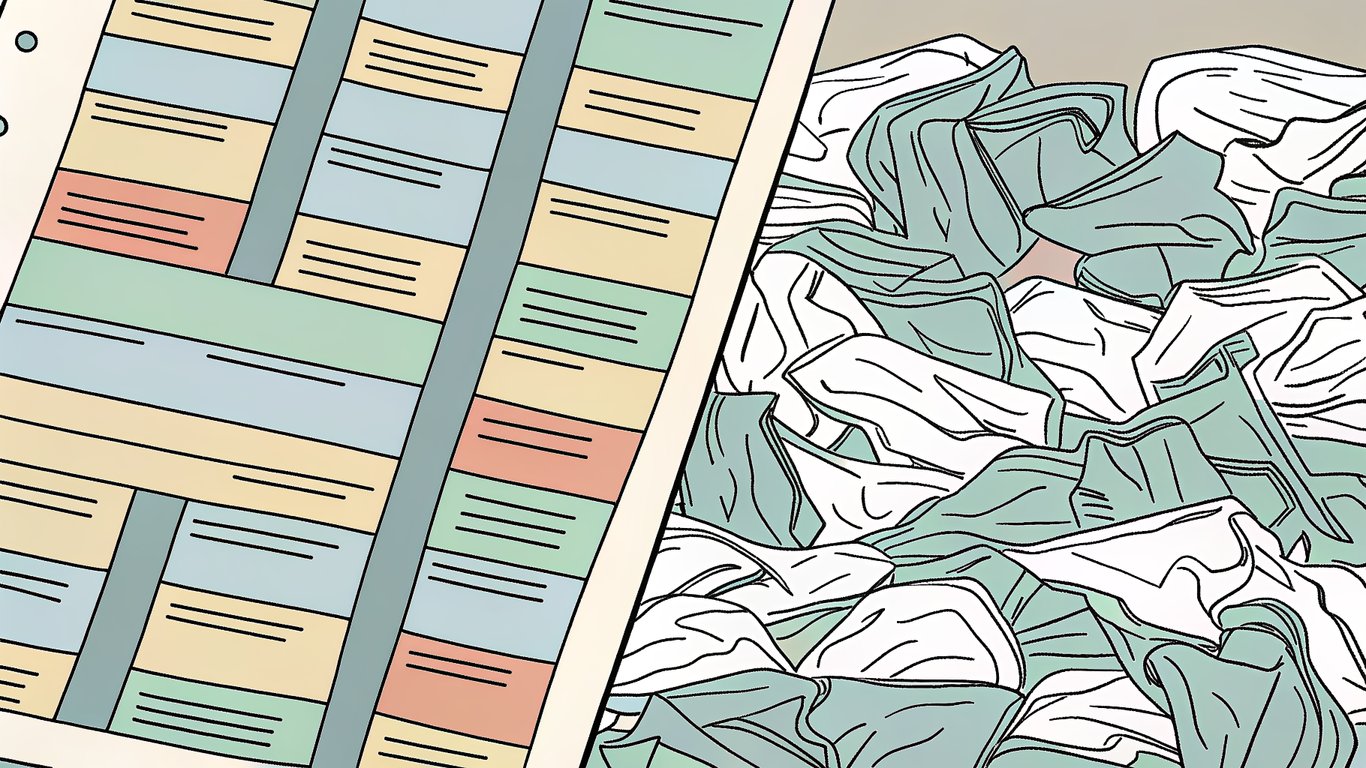
Company Information and Credentials
Every quote should start with the contractor’s full business information. In Quebec, that means their RBQ license number, liability insurance details, and workers’ compensation coverage. If this information isn’t on the quote, ask for it before you go any further.
A legitimate contractor won’t hesitate to provide proof of insurance. Someone operating without proper coverage? They’ll dodge the question or promise to « get it to you later. » Don’t wait. No insurance certificate means no contract.
Detailed Project Scope and Specifications
This section should read like a blueprint in words. Exact deck dimensions, material specifications with brand names and grades, construction methods, and design features. Vague descriptions like « quality materials » or « standard construction » tell you nothing.
Look for specifics. « Pressure-treated 2×6 joists on 16-inch centers » is good. « Wood framing » is useless. The more detail here, the less room there is for misunderstandings later.
Itemized Cost Breakdown
Some contractors give you one lump sum. That’s a problem. You need to see separate line items for materials, labor, permits, disposal, and any other costs. This breakdown lets you understand where your money’s going and makes it easier to spot inflated charges.
When costs are itemized, you can also make informed decisions about where to cut if you need to reduce the budget. Maybe you can save money by handling the staining yourself, but you’d never know that option existed with a lump-sum quote.
Timeline and Project Schedule
A realistic timeline shows the contractor has actually thought through your project. Start date, estimated completion date, and major milestones should all be listed. Be wary of contractors who promise unrealistically fast completion or refuse to commit to any timeline.
Payment Terms and Schedule
Standard payment schedules typically involve a deposit (usually 10-30% of the total), progress payments tied to project milestones, and final payment upon completion. Anyone asking for more than 30% upfront or demanding full payment before work is finished should raise immediate concerns.
Warranty Information
What’s covered under warranty, for how long, and what’s excluded? Workmanship warranties typically run one to five years. Material warranties depend on what you’re using. Composite decking often comes with manufacturer warranties of 25 years or more, while pressure-treated lumber might have shorter coverage.
Permits and Inspections
Who’s responsible for obtaining permits? Who pays for them? When will inspections happen? In Quebec, most deck projects require permits, and the contractor should handle this process. If the quote doesn’t mention permits at all, that’s a serious red flag.
Critical Exclusions: What Should Be Listed (and What Shouldn’t Be Missing)
The exclusions section is where contractors hide costs. Reading what’s not included is just as important as reading what is.
Standard Exclusions in Deck Quotes
Some exclusions are reasonable. Landscaping restoration after construction, electrical work for outdoor lighting, or plumbing for an outdoor kitchen are specialized tasks that might require separate contractors. These are legitimate exclusions as long as they’re clearly stated.
Red Flag Exclusions That Shift Costs to You
Watch out for exclusions that should absolutely be part of the base project. Debris removal, site preparation, or structural repairs discovered during construction shouldn’t be excluded. These are fundamental parts of deck building, not optional extras.
If a quote excludes « unforeseen structural issues, » ask what happens when they find rotted joists or inadequate support. A good contractor builds contingency into their estimate or at least explains how additional work will be priced.
The ‘Allowance’ Trap
Prime Cost (PC) allowances are budget placeholders for items not yet selected. « $2,000 allowance for railings » sounds fine until you realize the railings you actually want cost $3,500. Suddenly you’re over budget, and the contractor knew it all along.
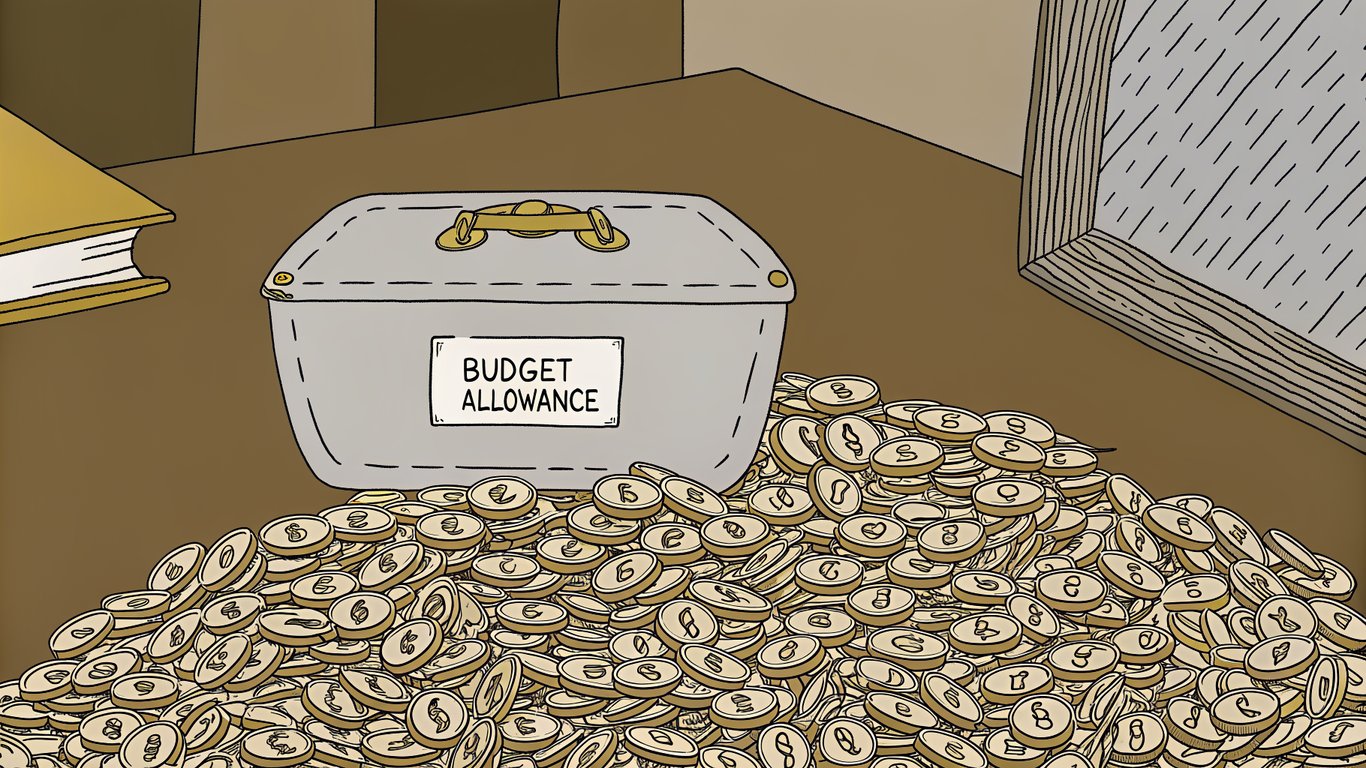
Allowances aren’t inherently bad, but they should be realistic. Ask contractors to justify their allowance amounts and get quotes for the actual products you want before signing anything.
Hidden Costs Often Buried in Exclusions
Staining or sealing, railings, stairs, post caps, and finishing touches sometimes appear in the exclusions section. These aren’t optional components. They’re essential parts of a complete deck. If they’re excluded, add their cost to the quote total to get the real price.
How to Compare Deck Quotes Apples-to-Apples
You’ve got three or four quotes sitting on your kitchen table. They’re all formatted differently, priced differently, and include different things. Here’s how to make sense of them.
Create a Comparison Spreadsheet
Open a spreadsheet and create columns for each contractor. Create rows for every component: materials, labor, permits, timeline, warranty length, and any other factors that matter to you. Fill in what each quote includes for every category.
This visual comparison makes differences obvious. You’ll quickly see which contractor is including railings in their base price and which one is charging extra.
Calculate the True Total Cost
Add back everything that’s excluded but necessary. If Contractor A’s quote is $12,000 but excludes $2,000 worth of railings and staining, their real price is $14,000. If Contractor B’s quote is $15,000 with everything included, they’re actually cheaper.
Comparing Material Quality and Specifications
Not all pressure-treated lumber is created equal. Not all composite decking performs the same. When one quote is significantly cheaper, check if they’re using lower-grade materials. A deck built with premium materials will outlast and outperform one built with budget options.
Evaluating Value Beyond Price
The cheapest quote isn’t always the best value. Consider the contractor’s experience, their warranty terms, their timeline, and their reputation. A contractor who’s built 200 decks and offers a 5-year workmanship warranty might be worth paying 10% more than someone who’s built 20 decks and offers no warranty.
Major Red Flags in Deck Quotes: What to Watch For
Some warning signs are subtle. Others are screaming sirens. Here’s what should make you pause before signing.
Pricing Red Flags
If one quote is 30-40% lower than all the others, something’s wrong. Either they’re planning to cut corners, they’ve missed major components, or they’re going to hit you with change orders once work starts. Large cash discounts (« Pay cash and save 20%! ») often indicate tax evasion or unlicensed work.
Documentation Red Flags
No written contract, missing insurance certificates, or verbal-only agreements are deal-breakers. Professional contractors document everything. If they’re reluctant to put terms in writing, they’re planning to change those terms later.
Payment Red Flags
Deposits over 30% of the total project cost are excessive. Payment in full before completion gives you zero leverage if problems arise. Cash-only requests are almost always a sign of unlicensed or uninsured work.
Scope and Specification Red Flags
Vague descriptions, no material brands listed, missing building code references, or « we’ll figure it out later » responses to specific questions all indicate a contractor who hasn’t actually planned your project. They’re winging it, and you’ll pay for their mistakes.
Professional Conduct Red Flags
No physical business address, unlicensed in Quebec, poor communication, or unwillingness to provide references should end the conversation immediately. Professional contractors are proud of their work and happy to show it off.
Questions to Ask Before Signing: Clarifying Your Deck Quote
Don’t assume anything. Ask these questions to every contractor before you commit.
Questions About Materials and Construction
- What grade of lumber are you using for the frame?
- What type of fasteners will you use (screws, nails, hidden fasteners)?
- How deep will the footings go?
- What’s your joist spacing?
- Are you using joist hangers or toe-nailing?
Questions About Project Management
- Who will be on-site supervising the work daily?
- How do you handle change orders?
- What’s your communication protocol during the project?
- How will you protect my property and keep the site clean?
Questions About Permits and Compliance
Ask specifically about Quebec building code compliance, who handles permit acquisition, and when inspections will occur. The contractor should have clear answers to all of these.
Making Your Final Decision: Beyond the Numbers
You’ve compared the quotes, asked your questions, and checked references. Now it’s time to decide.
Creating Your Decision Matrix
Score each contractor on the factors that matter most to you. Price is important, but so are experience, communication quality, timeline, and warranty terms. Assign weights to each factor based on your priorities, then calculate total scores.
Checking References and Past Work
Call at least three references for your top choice. Ask about communication, quality of work, how they handled problems, and whether the project stayed on budget and schedule. If possible, look at completed decks in person. Photos can hide a lot.
Verifying Credentials One Last Time
Before you sign anything, verify the contractor’s RBQ license is current and in good standing. Check that their insurance hasn’t expired. Confirm their business address and contact information. These final checks take 15 minutes and can save you from disaster.
Protecting Your Deck Investment
Reading and comparing deck quotes isn’t exciting work. But it’s the difference between a deck that adds value to your home and a money pit that causes years of headaches.
Take your time with this process. A few extra hours of careful comparison can save you thousands of dollars and countless frustrations. The contractor who provides the most detailed quote, answers all your questions clearly, and demonstrates genuine expertise is usually worth paying a bit more for.
Your Deck Quote Comparison Checklist
- Verify RBQ license and insurance for all contractors
- Confirm all quotes include identical project scope
- Check that permits and inspections are included
- Review exclusions carefully and add excluded costs to totals
- Compare material specifications and brands
- Evaluate warranty terms and length
- Assess payment schedules for reasonableness
- Contact references for top candidates
- Review timeline and completion dates
- Ensure everything is documented in writing
When to Walk Away from a Quote
Walk away if the contractor can’t provide proof of insurance, refuses to put terms in writing, asks for more than 30% upfront, won’t provide references, or pressures you to sign immediately. Walk away if the quote is dramatically lower than others without clear explanation. Walk away if your gut tells you something’s off.
Trust your instincts. If a contractor makes you uncomfortable during the quoting process, imagine how you’ll feel when they’re tearing up your backyard.