




Quebec homeowners face a unique challenge when it comes to outdoor living. You’ve got those gorgeous summer months where everyone wants to be outside, but then winter arrives and suddenly that beautiful deck or patio sits unused for half the year. It doesn’t have to be that way.
The right upgrades can transform your outdoor space from a seasonal amenity into a year-round extension of your home. We’re talking about features that let you grill in October, host friends around a fire pit in November, and maybe even enjoy your morning coffee outside on a mild February day.
Why Outdoor Living Upgrades Matter in Quebec
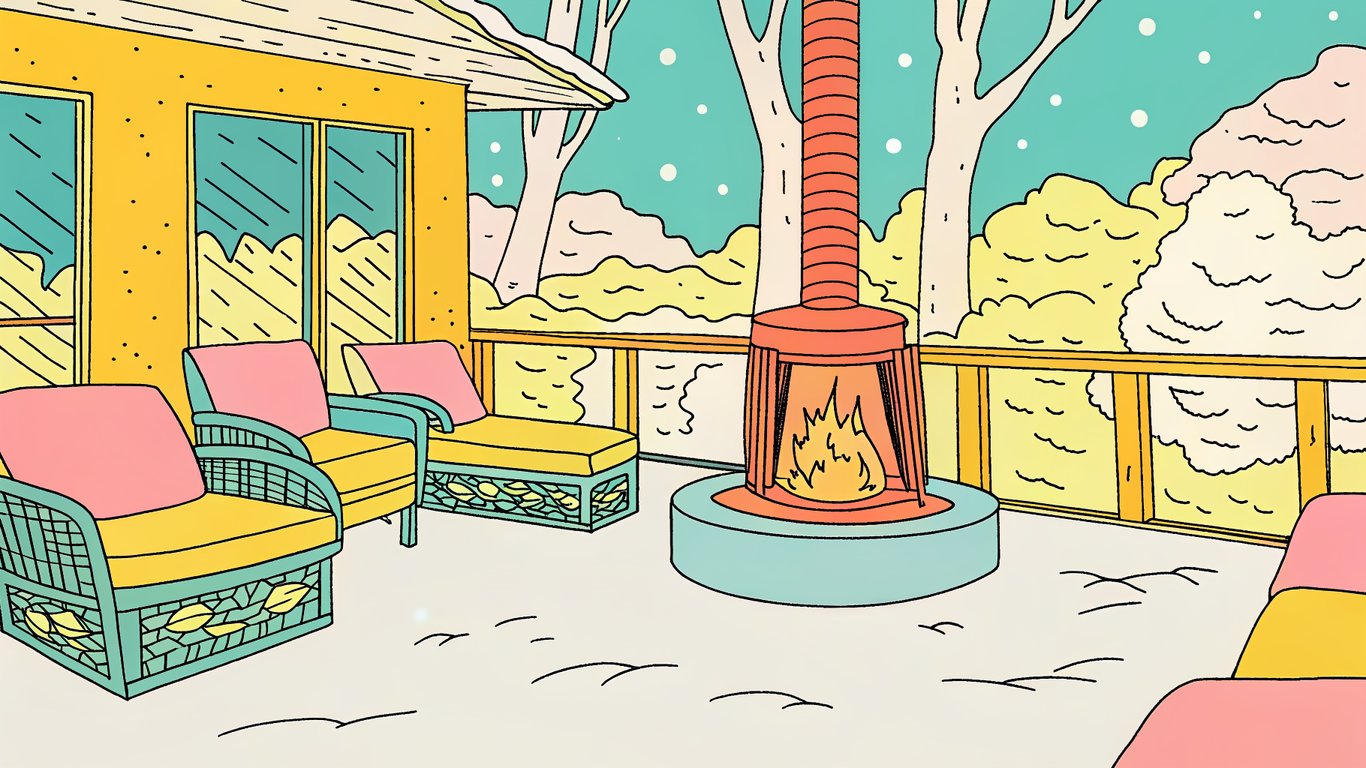
More Quebec homeowners are investing in their outdoor spaces than ever before. The pandemic showed us how valuable it is to have comfortable outdoor areas at home. But here’s the thing: a basic deck or patio only gets you so far in our climate.
Summer in Quebec is beautiful but short. You’ve got maybe four solid months of warm weather, and even then, evenings can get cool. That’s why strategic upgrades matter. They extend your usable outdoor season from both ends and make those summer months even better.
Plus, outdoor living upgrades typically add value to your home. Buyers in Quebec appreciate features that address our climate challenges, especially when they see thoughtful solutions for winter weather.
Understanding Quebec’s Climate Considerations
Before you start planning upgrades, you need to understand what you’re working with. Quebec’s freeze-thaw cycles are brutal on outdoor materials. Water gets into cracks, freezes, expands, and causes damage. This happens repeatedly throughout fall, winter, and spring.
Snow loads are another consideration. Some areas of Quebec get significant snowfall, and your structures need to handle that weight. Temperature swings from minus 30 in January to plus 30 in July mean materials need to expand and contract without failing.
These factors should influence every upgrade decision you make. The cheapest option rarely works out in Quebec’s climate. You’ll end up replacing it sooner and spending more in the long run.
Outdoor Kitchen Upgrades
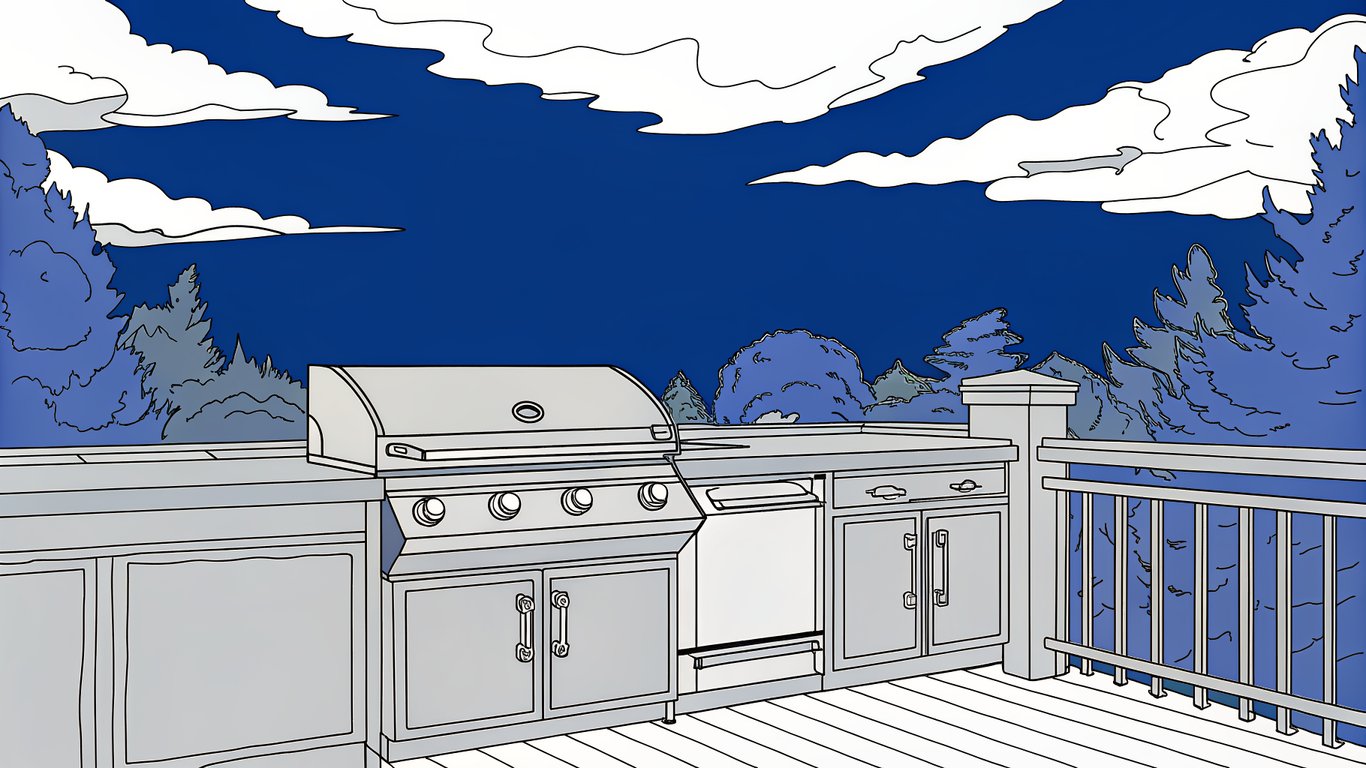
An outdoor kitchen transforms how you use your deck or patio. Instead of running back and forth to your indoor kitchen, everything you need is right there. You can cook, prep, and serve without missing the conversation or the sunset.
Built-In Gas or Charcoal Grills with Weather-Resistant Enclosures
A built-in grill is the centerpiece of most outdoor kitchens. Unlike portable grills that you drag out of storage, built-in models become permanent fixtures in your outdoor space. Gas grills are popular in Quebec because they’re convenient and work well in cooler weather. You don’t have to wait for charcoal to heat up when it’s 10 degrees outside.
Look for grills with stainless steel construction. The marine-grade stuff holds up better against moisture and temperature changes. You’ll also want a quality cover or enclosure to protect your investment during winter months. Some homeowners build custom stone or brick surrounds that provide wind protection and add visual appeal.
Outdoor Pizza Ovens and Smokers
Pizza ovens have become incredibly popular for outdoor entertaining. There’s something special about wood-fired pizza that gets people excited. Modern outdoor pizza ovens heat up quickly and can reach the high temperatures needed for authentic Neapolitan-style pizza.
Gas-powered models offer more convenience if you’re not interested in managing a wood fire. Some insulated models work surprisingly well into the shoulder seasons. You can make pizza in October if you’ve got the right setup.
Smokers are another option for serious outdoor cooks. Low and slow cooking works great on cool days, and Quebec has plenty of those. Just make sure whatever you choose can handle temperature fluctuations and has proper drainage for moisture.
Weather-Resistant Outdoor Cabinetry and Storage
You need somewhere to store your outdoor cooking gear, and regular indoor cabinets won’t cut it. Marine-grade polymer cabinets resist moisture, won’t rust, and handle temperature swings without warping. They’re more expensive than wood, but they last.
Stainless steel is another solid choice, especially if you want that professional kitchen look. Make sure any cabinets have proper ventilation to prevent moisture buildup. You’ll also want to consider how you’ll winterize them. Some people remove everything and leave doors slightly open during winter to allow air circulation.
Outdoor Refrigeration and Beverage Centers
An outdoor-rated refrigerator changes the game for entertaining. No more trips inside for drinks or condiments. These aren’t regular fridges stuck outside. They’re built with insulation and components designed to handle temperature variations.
Most outdoor refrigerators work reliably in temperatures from around 40 to 100 degrees Fahrenheit. That covers Quebec’s outdoor entertaining season pretty well. You’ll need to winterize them properly, though. That usually means emptying, cleaning, unplugging, and leaving the door slightly open.
Wine coolers and kegerators are options if you’re into those. Just remember they all need proper electrical connections and should be on GFCI-protected circuits for safety.
Outdoor Sinks with Freeze-Proof Plumbing
Having a sink outside is incredibly convenient for food prep and cleanup. The challenge in Quebec is preventing frozen pipes. You need proper installation with shut-off valves inside your house and drain valves at the lowest point of the outdoor plumbing.
Before winter, you’ll drain the lines completely and blow out any remaining water with compressed air. Some people skip outdoor sinks entirely because of this maintenance requirement. Others find the convenience worth the extra winterization steps.
Countertop Materials Built for Quebec Weather
Your countertop choice matters more in Quebec than in warmer climates. Granite is popular because it’s naturally weather-resistant and handles freeze-thaw cycles well. It’s heavy, which is good for stability, and comes in lots of colors.
Concrete countertops can work if they’re properly sealed. They need resealing periodically, especially in our climate. Tile is another option, though grout lines can be problematic if water gets in and freezes.
Stainless steel is probably the most durable choice. It won’t crack, doesn’t need sealing, and handles any temperature. The downside is cost and the industrial look, which isn’t everyone’s style.
Lighting Solutions for Ambiance and Safety
Good lighting extends your outdoor living hours and makes your space safer. Quebec’s long summer evenings are perfect for outdoor entertaining, but you need proper illumination once the sun goes down.
LED Deck and Stair Lighting for Safety
Deck lighting isn’t just about looks. It’s a safety feature that prevents trips and falls. Recessed deck lights installed between boards create a subtle glow that defines your space without being harsh. Post cap lights mark the perimeter and add architectural interest.
Stair lighting is especially important. Small LED strips along stair risers make each step visible without being blinding. These lights draw very little power and last for years. Most modern options are low-voltage, which makes installation safer and easier.
String Lights and Festoon Lighting
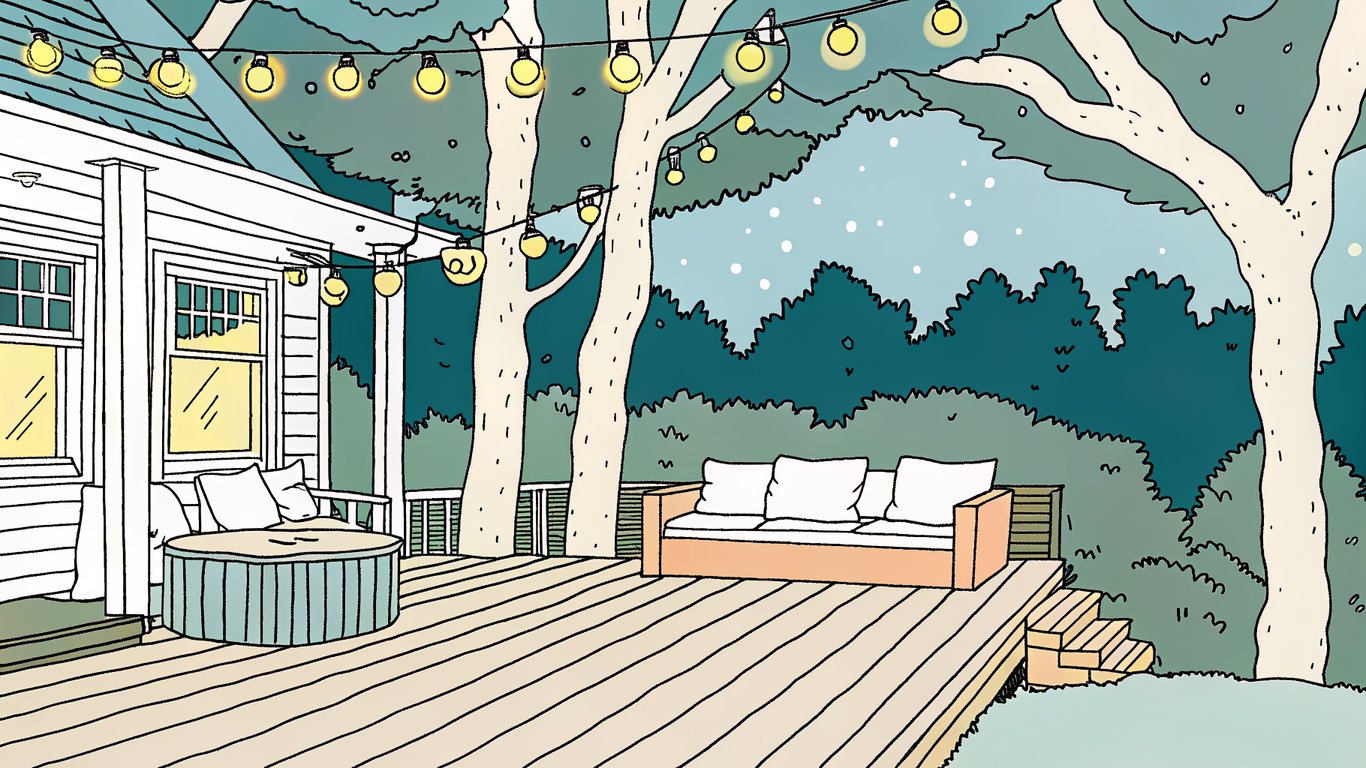
String lights create instant atmosphere. Those Edison-bulb style festoon lights you see at restaurants and cafes work great for residential patios too. You can string them overhead between posts, along railings, or through pergola beams.
Make sure you buy outdoor-rated lights with weatherproof sockets. The cheap indoor versions won’t last through a Quebec winter. LED string lights use less power and don’t get hot, which is safer around fabric and wood.
Landscape and Accent Lighting
Landscape lighting extends beyond your deck or patio to create a complete outdoor environment. Uplighting trees creates dramatic shadows and highlights natural features. Pathway lights guide guests safely from your driveway or gate to your outdoor living area.
Spotlights can highlight architectural features of your home or interesting elements in your yard. The key is layering different types of lighting at different heights and intensities. This creates depth and visual interest that flat, uniform lighting can’t achieve.
Smart Outdoor Lighting Systems
Smart lighting systems let you control everything from your phone. You can set schedules so lights turn on automatically at sunset, adjust brightness for different occasions, or change colors for parties. Some systems integrate with voice assistants, so you can control lights without getting up.
These systems are particularly useful in Quebec because you can adjust for changing daylight hours throughout the year. Your lights can automatically adapt as sunset moves from 4:30 PM in December to 8:30 PM in June.
Fire Feature Lighting Integration
Fire features provide their own light, but strategic additional lighting enhances the effect. Subtle uplighting around a fire pit creates ambiance without competing with the flames. You want enough light for safety and conversation but not so much that it overwhelms the fire’s natural glow.
Winter-Ready Heating and Shelter Features
This is where Quebec outdoor living gets interesting. The right heating and shelter features let you use your outdoor space well beyond summer. We’re not talking about making your patio comfortable in January blizzards, but extending your season into October and November, and starting again in March or April.
Outdoor Fireplaces and Fire Pits
A fire feature is probably the single best upgrade for extending your outdoor season. There’s something primal about gathering around a fire that makes cool evenings comfortable and enjoyable. Wood-burning fire pits create that authentic campfire experience with crackling sounds and the smell of burning wood.
Gas fire pits offer convenience. Push a button and you’ve got instant heat. No smoke, no ash, no waiting for wood to catch. They’re cleaner and easier to control. Propane models are portable, while natural gas versions require a permanent gas line.
Outdoor fireplaces provide more focused heat than fire pits and can include features like built-in seating or storage for firewood. They become architectural focal points that define your outdoor space.
Infrared and Propane Patio Heaters
Patio heaters extend your season when fire features aren’t enough. Infrared heaters warm people and objects directly rather than trying to heat the air. This makes them more efficient outdoors where heat would otherwise dissipate.
Mounted heaters save floor space and provide heat from above. Freestanding models are portable and can be moved where needed. Tabletop heaters work well for smaller gatherings. Most propane heaters can keep a space comfortable when temperatures drop into the single digits Celsius.
Three-Season and Four-Season Enclosures
Enclosures take outdoor living to another level. Three-season rooms typically have screens or windows but limited insulation. They’re great from April through October in Quebec. Four-season enclosures are fully insulated with proper heating and can be used year-round.
Glass rooms with retractable panels offer flexibility. Open them up in summer for airflow, close them in spring and fall for wind protection. These systems aren’t cheap, but they essentially add livable square footage to your home.
Retractable Awnings and Pergola Covers
Retractable awnings provide shade in summer and can be rolled up before winter to avoid snow load issues. Motorized versions are convenient but cost more than manual models. Make sure whatever you choose is rated for wind, because Quebec can get breezy.
Pergola covers come in various styles. Some are fixed louvers that you can angle for sun control. Others are retractable fabric systems. The key consideration in Quebec is snow load. You need to retract fabric covers before winter or risk damage.
Windbreaks and Privacy Screens
Wind is often more uncomfortable than cold temperatures. A good windbreak can make a 15-degree day feel like 20 degrees. Glass panels provide wind protection while maintaining views. They’re particularly effective on decks with nice vistas.
Lattice screens with climbing plants offer a softer look and provide privacy along with wind protection. Strategic plantings of evergreen shrubs create natural windbreaks that work year-round.
Comfort and Entertainment Upgrades
These final upgrades round out your outdoor living space, adding comfort and entertainment value that makes people want to spend time outside.
Outdoor Audio Systems
Music enhances any outdoor gathering. Weatherproof speakers designed for outdoor use can handle moisture and temperature changes. Some are designed to blend into landscaping, disguised as rocks or planters.
Bluetooth systems offer wireless convenience. You can control music from your phone without running back inside. More sophisticated systems integrate with whole-home audio setups, letting you play the same music indoors and out.
Weather-Resistant Outdoor Furniture with Storage
Furniture takes a beating in Quebec’s climate. Aluminum frames resist rust and handle temperature swings well. Resin wicker looks like natural wicker but stands up to weather much better. Teak is expensive but incredibly durable and develops a nice patina over time.
Storage benches serve double duty, providing seating while protecting cushions and accessories from weather. Even weather-resistant cushions last longer when stored during heavy rain or winter months.
Outdoor Rugs and Textiles
Outdoor rugs define spaces and add comfort underfoot. Modern outdoor rugs resist UV damage, mold, and mildew. They’re made from synthetic materials that dry quickly after rain. You’ll still want to store them during winter, but they can handle summer weather without problems.
Outdoor fabrics for cushions and pillows have come a long way. They resist fading and moisture while remaining soft and comfortable. Still, bringing cushions inside during extended rain or at season’s end extends their life significantly.
Hot Tubs and Spa Integration
Hot tubs are actually more popular in cold climates than warm ones. There’s something magical about soaking in hot water while snow falls around you. Integrating a hot tub into your deck design creates a cohesive look and provides easy access.
You need proper structural support because hot tubs are heavy. A typical six-person hot tub filled with water and people can weigh over 4,000 pounds. You’ll also want privacy screens or strategic placement for comfort. Built-in steps make entry and exit safer, especially in winter when surfaces might be icy.
Planning Your Outdoor Living Upgrades
Looking at 20 different upgrades can feel overwhelming. The good news is you don’t need to do everything at once. Most homeowners phase their outdoor living improvements over several years.
Prioritizing Upgrades Based on Your Lifestyle
Start by thinking about how you actually use your outdoor space. Do you entertain large groups or prefer quiet family dinners? Are you serious about outdoor cooking or is a simple grill enough? Do you want to extend your season into fall and spring, or are you mainly focused on summer?
If you love cooking, prioritize kitchen upgrades. If you want more time outdoors in shoulder seasons, focus on heating and shelter features first. If you mainly use your space in the evening, lighting might be your top priority.
Budget Ranges for Each Upgrade Category
Outdoor kitchen components vary widely in cost. A basic built-in grill might start around $2,000, while high-end models with all the features can exceed $10,000. Complete outdoor kitchens with cabinetry, countertops, and appliances typically range from $5,000 to $30,000 or more.
Lighting projects can be relatively affordable. Basic LED deck lighting might cost $500 to $2,000 for materials and installation. More elaborate systems with landscape lighting and smart controls can run $3,000 to $8,000.
Heating features range from a few hundred dollars for a basic fire pit to $5,000 or more for a custom outdoor fireplace. Enclosures are the biggest investment, with three-season rooms starting around $10,000 and four-season enclosures often exceeding $30,000.
Best Times to Install Outdoor Living Features in Quebec
Spring and early summer are ideal for most installations. Contractors are busy but available, and you’ll have your upgrades ready for the peak outdoor season. Fall can work for some projects, but you’re racing against winter weather.
Some homeowners plan installations for late winter or early spring to beat the rush. Contractors may have more availability and potentially better pricing during slower periods. Just make sure weather permits the work you’re planning.
DIY vs. Professional Installation Considerations
Some upgrades are DIY-friendly. Installing string lights, adding outdoor furniture, or placing a portable fire pit don’t require professional help. Basic deck lighting with low-voltage systems is manageable for handy homeowners.
Other projects need professionals. Anything involving gas lines, permanent electrical work, or structural modifications should be done by licensed contractors. This isn’t just about doing it right; it’s about safety and insurance requirements. Many insurance policies won’t cover damage from DIY gas or electrical work.
Maintenance Tips for Quebec’s Climate
Proper maintenance protects your investment and ensures your outdoor living features last for years. Quebec’s climate demands more attention than milder regions.
Winterization Checklist for Outdoor Features
Before winter arrives, drain all water lines and blow them out with compressed air. Remove or cover outdoor appliances. Clean and cover your grill. Store cushions and textiles indoors. Retract awnings and fabric covers. Turn off and drain outdoor sinks and refrigerators.
Cover furniture or store it if you have space. Remove any items that could blow around in winter storms. Check that all covers are secure and won’t collect water or snow that could cause damage.
Spring Preparation and Inspection
When spring arrives, inspect everything before using it. Check for winter damage to structures, furniture, and equipment. Look for cracks in countertops or pavers caused by freeze-thaw cycles. Test all electrical connections and lighting. Turn water back on slowly and check for leaks.
Clean everything thoroughly. Winter leaves behind dirt, debris, and sometimes mold or mildew. Power washing can refresh many surfaces, but be careful with wood and certain materials that can be damaged by high pressure.
Year-Round Care for Different Materials
Wood requires regular sealing or staining to protect against moisture. Most wood decks and furniture need treatment every one to three years depending on exposure and product used. Metal furniture and fixtures benefit from occasional cleaning and checking for rust spots.
Stone and concrete surfaces should be sealed periodically. Check manufacturer recommendations, but many need resealing every few years. Fabric cushions and rugs last longer with regular cleaning and proper storage during harsh weather.
Creating Your Perfect Quebec Outdoor Living Oasis
Transforming your deck or patio into a true outdoor living space doesn’t happen overnight. It’s a process that evolves with your needs and budget. The important thing is to start somewhere.
Start with One Upgrade and Build Over Time
Pick one upgrade that will make the biggest impact on how you use your outdoor space. Maybe it’s a fire pit that lets you enjoy cool evenings. Maybe it’s proper lighting so you can entertain after dark. Or maybe it’s a built-in grill that makes outdoor cooking easier.
Once you’ve completed that first project and enjoyed the benefits, you’ll have a better sense of what to tackle next. Your outdoor living space can grow and improve over several seasons. There’s no rush to do everything at once.
Working with Quebec Deck and Patio Professionals
Local professionals understand Quebec’s climate challenges in ways that general contractors from other regions might not. They know which materials hold up best, how to properly winterize installations, and what building codes apply in your area.
A good contractor can also help you prioritize upgrades and avoid costly mistakes. They’ve seen what works and what doesn’t in Quebec’s climate. Their experience can save you money and frustration in the long run. When you’re ready to move forward with your outdoor living upgrades, finding the right professional partner makes all the difference.