




Quebec’s climate isn’t kind to outdoor structures. Your deck faces some of the most extreme weather conditions in North America, from brutal winters with temperatures dropping below -30°C to humid summers that promote mold growth. Without proper deck maintenance, you’re looking at expensive repairs or complete replacement within just a few years.
I’ve seen too many homeowners skip their seasonal maintenance routines, thinking they’ll save time or money. They don’t. The freeze-thaw cycles alone can destroy a deck faster than you’d think.
Understanding Quebec’s Unique Climate Challenges
Quebec’s weather puts decks through a stress test that few other regions can match. The freeze-thaw cycle happens repeatedly throughout late winter and early spring. Water seeps into tiny cracks in your deck boards, freezes overnight, expands, and creates larger cracks. This process repeats dozens of times each season.
Heavy snow loads add another layer of stress. A typical Quebec winter dumps several feet of snow on your deck, and that weight can strain joists and beams. Then summer arrives with its own problems: intense UV exposure that breaks down wood fibers and protective coatings, plus humidity levels that create perfect conditions for mold and mildew.
The Cost of Neglect: What Happens Without Regular Maintenance
Skip your deck maintenance for a couple years and you’ll probably notice loose boards, splintering wood, and discoloration. But the real damage happens where you can’t see it. Moisture penetrates the wood, rot sets in around fasteners and ledger boards, and structural integrity weakens.
Safety hazards develop quickly. Railings become unstable. Boards crack underfoot. Metal fasteners corrode and fail. What started as a $200 maintenance job becomes a $5,000 repair project, or worse, a complete deck replacement that can run $15,000 or more depending on size and materials.
Spring Opening: Post-Winter Deck Inspection and Revival (5 Essential Tasks)
Spring is when you discover what winter did to your deck. This isn’t the fun part of deck ownership, but it’s the most important. Your spring deck maintenance routine determines whether you’ll enjoy your deck all summer or spend it making emergency repairs.
Task 1: Conduct a Thorough Structural Inspection
Start underneath your deck. Grab a flashlight and check every joist, beam, and support post for signs of rot, cracks, or water damage. Pay special attention to the ledger board where your deck attaches to your house. This connection point is critical for safety and often shows damage first.
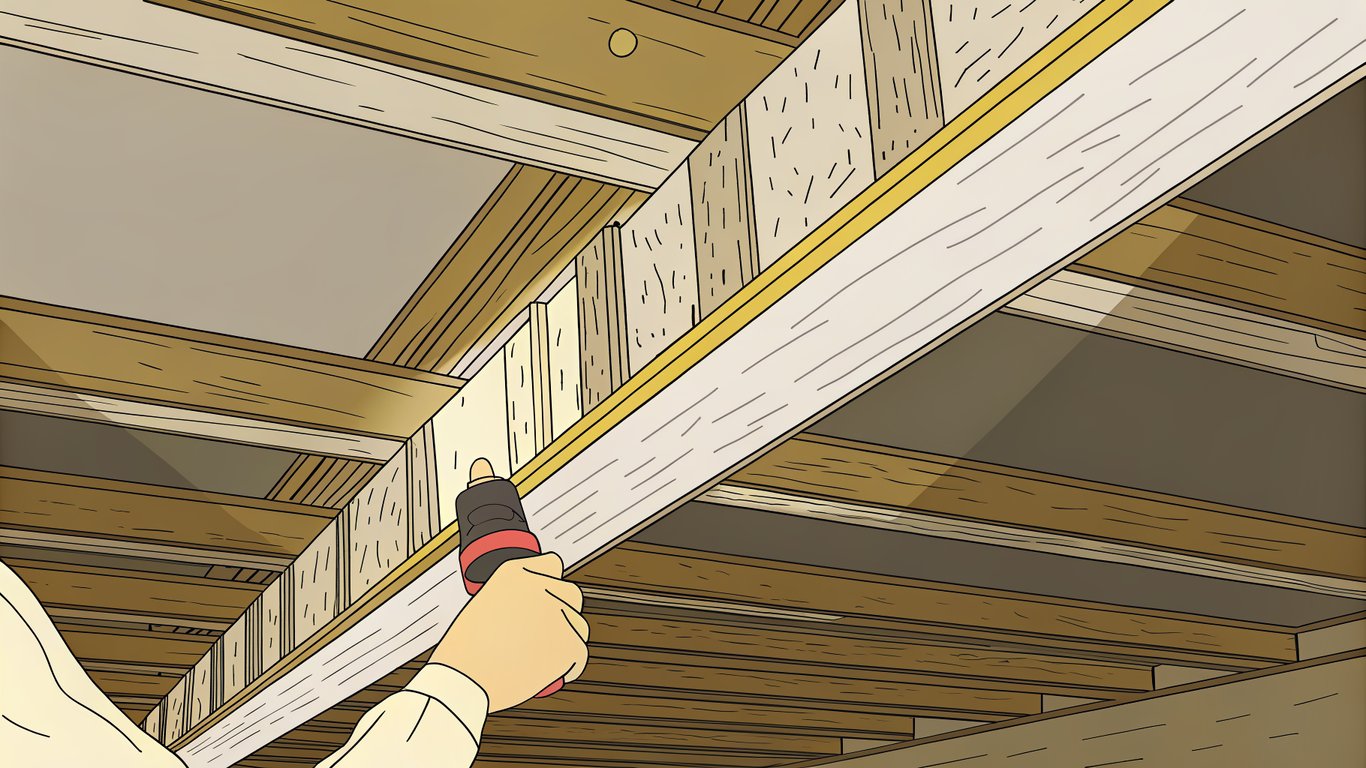
Walk the entire deck surface and test each board. Push down firmly. Listen for creaks or feel for movement. Check railings by gripping them firmly and pushing outward. They shouldn’t budge more than slightly. Look for loose or missing fasteners, especially around high-traffic areas like stairs and entry points.
Task 2: Deep Clean Your Deck Surface
Winter leaves behind a mess of dirt, organic debris, and that greenish-black film that’s actually mold and mildew. You need to remove all of it before it traps moisture against the wood. Start by sweeping away loose debris, then use a deck cleaner appropriate for your material.
For wood decks, oxygen bleach cleaners work well without damaging the wood fibers like chlorine bleach does. Mix according to package directions, apply with a pump sprayer, let it sit for 10-15 minutes, then scrub with a stiff brush. Rinse thoroughly with a garden hose. Avoid pressure washers if possible; they can damage wood and force water deeper into the grain.
Task 3: Check and Repair Fasteners and Hardware
Metal fasteners corrode over Quebec winters. Salt from snow removal, moisture, and freeze-thaw cycles all contribute to rust and deterioration. Walk your deck with a screwdriver and tighten any loose screws. Replace any that are rusted, stripped, or missing.
Use stainless steel or coated deck screws for replacements. They cost more but last significantly longer in Quebec’s climate. Check joist hangers, post brackets, and any other metal connectors. These structural elements need to be solid.
Task 4: Test Your Deck’s Water Resistance
Once your deck is clean and dry, do the water bead test. Sprinkle some water on different areas of your deck. If the water beads up and rolls off, your sealant is still working. If it soaks in immediately, you need to reseal or restain.
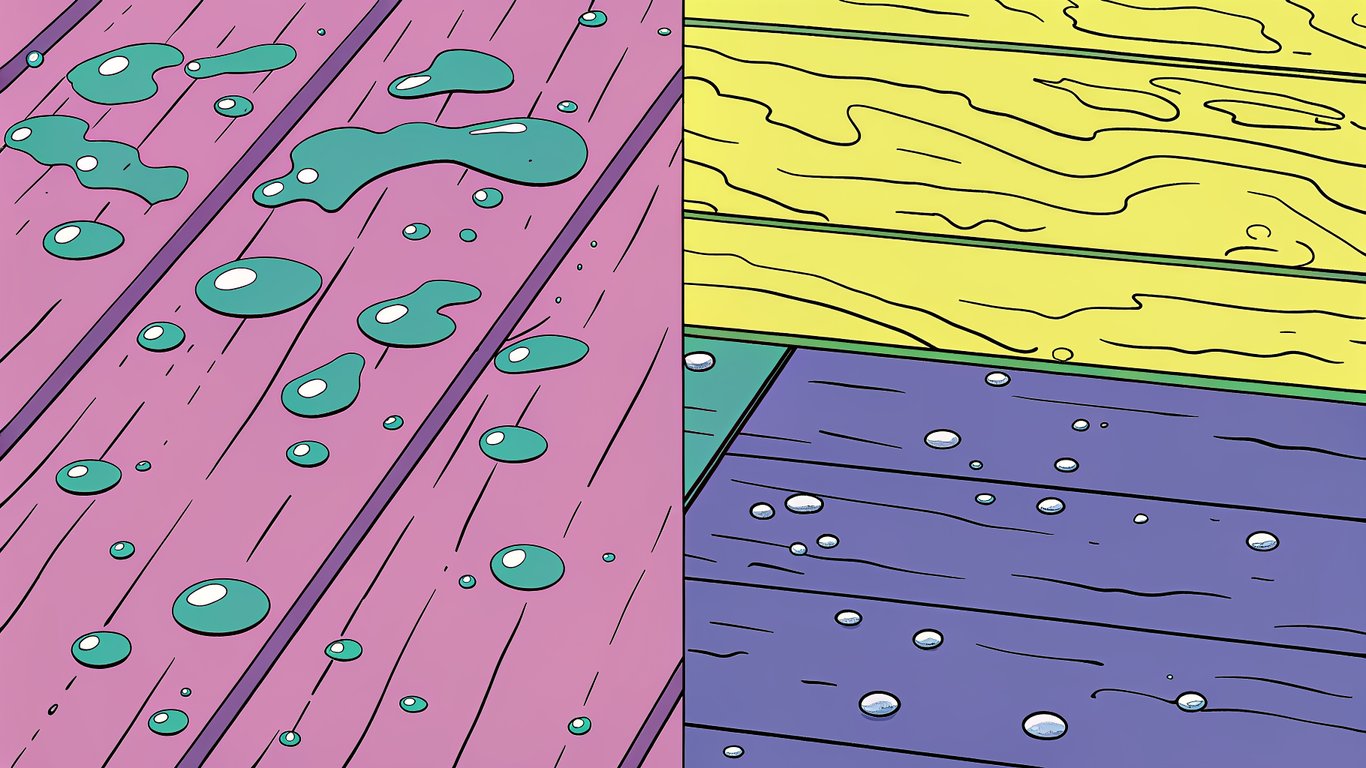
Most wood decks in Quebec need resealing every two to three years. But harsh winters can shorten that timeline. If your deck failed the water test, plan to apply a new coat of sealant or stain once temperatures consistently stay above 10°C and you have a few dry days in the forecast.
Task 5: Address Mold, Mildew, and Staining Issues
Quebec’s spring moisture creates ideal conditions for organic growth. If your initial cleaning didn’t remove all the mold and mildew, you’ll need a specialized treatment. Look for deck cleaners containing sodium percarbonate or oxalic acid, which are effective against organic stains without harming wood.
Apply the treatment, let it work for the recommended time, scrub stubborn areas, and rinse completely. Some discoloration might be permanent if the mold penetrated deeply, but you can minimize it with proper staining later.
Summer Care: Maintaining Your Deck During Peak Usage (5 Ongoing Maintenance Tips)
Summer is when you actually use your deck, which means it’s also when you need to protect it from heavy traffic, spills, and UV damage. Regular deck maintenance during these months prevents problems from developing.
Task 6: Implement a Regular Cleaning Schedule
Don’t wait for visible dirt buildup. Sweep your deck weekly to remove leaves, pollen, and debris. These materials trap moisture against the wood even during dry weather. Monthly, give your deck a quick wash with mild soap and water to remove accumulated grime.
Clean up spills immediately. Food, drinks, and grease can stain wood permanently if left to soak in. Keep a deck brush handy for quick cleanups after barbecues or gatherings.
Task 7: Apply Protective Sealant or Stain
If your spring water test showed you need to reseal, early summer is the perfect time. Choose a dry period with temperatures between 15-25°C and no rain in the forecast for at least 48 hours. Your deck needs to be completely dry before application.
For Quebec conditions, penetrating oil-based sealants typically perform better than film-forming products. They soak into the wood and provide protection from within, which holds up better during freeze-thaw cycles. Follow manufacturer instructions carefully for application and drying times.
Task 8: Manage Water Drainage and Moisture
Water is your deck’s biggest enemy. Make sure water drains off your deck quickly after rain. Check the gaps between deck boards and clear out any debris that’s blocking drainage. These gaps should be about 3-5mm to allow proper water flow and air circulation.
Move planters and furniture occasionally so water doesn’t pool underneath them. Standing water leads to rot, and rot leads to expensive repairs.
Task 9: Protect Against UV Damage and Fading
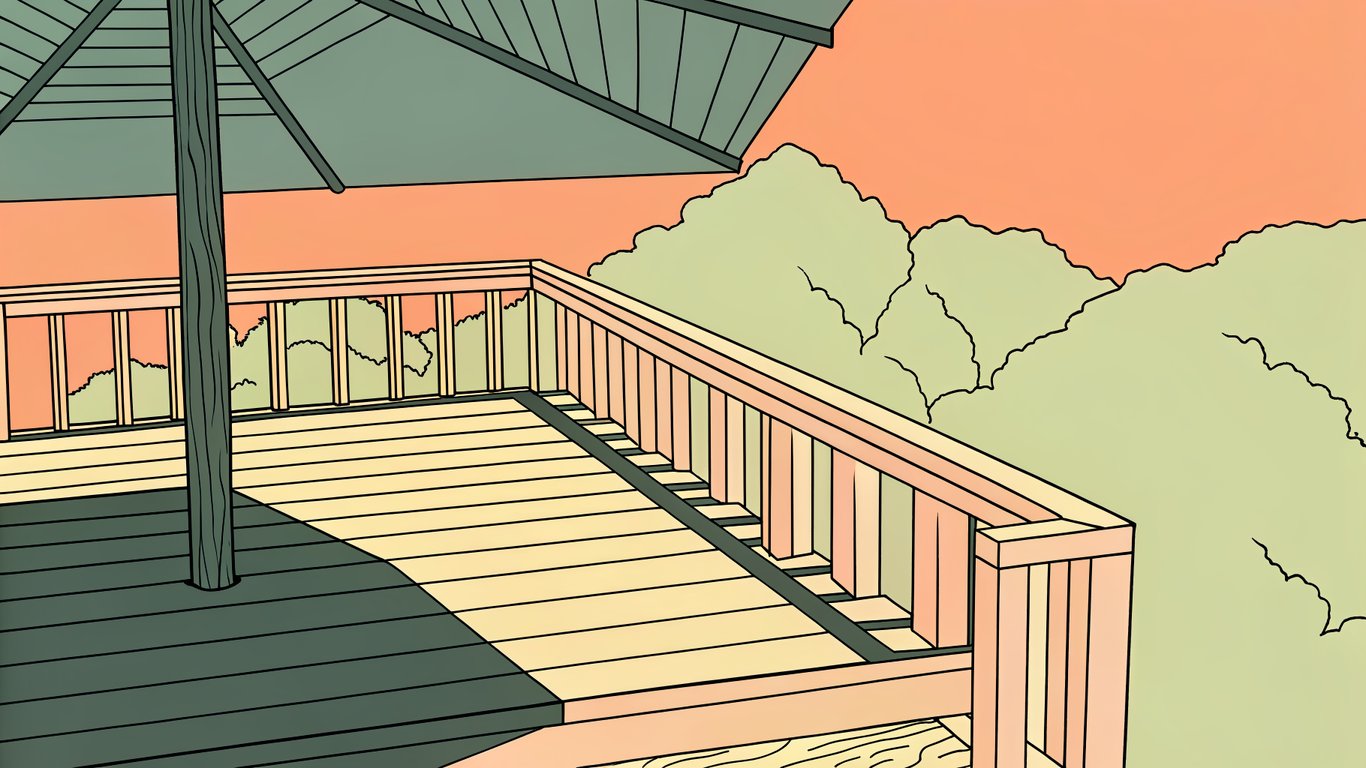
Quebec summers bring intense sunlight that breaks down wood fibers and fades stain colors. UV-blocking sealants help, but they’re not perfect. Consider adding shade structures like pergolas or umbrellas over high-traffic areas.
Rotate furniture placement throughout the summer to prevent uneven fading. If one section of your deck gets constant sun exposure while another stays shaded, you’ll end up with noticeable color differences.
Task 10: Monitor for Pest Activity and Wood Damage
Carpenter ants love damp wood, and they’re common in Quebec. Look for small piles of sawdust near deck boards or posts. These indicate active tunneling. Check for soft spots in the wood by pressing firmly with a screwdriver. If it sinks in easily, you’ve got rot or insect damage.
Address pest problems immediately. They won’t go away on their own, and the damage spreads quickly. You might need professional pest control for serious infestations.
Fall Preparation: Getting Your Deck Ready for Quebec’s Winter (5 Critical Winterization Steps)
Fall deck maintenance determines how well your deck survives winter. This is your last chance to protect your investment before months of snow, ice, and brutal cold.
Task 11: Perform a Pre-Winter Deep Clean
Remove every leaf, twig, and bit of organic debris from your deck. This stuff traps moisture, and trapped moisture freezes, expands, and damages wood. Pay special attention to the gaps between boards and around railings where debris accumulates.
Give your deck a final wash to remove dirt and any mold that developed during late summer. Let it dry completely before winter weather arrives.
Task 12: Apply Final Protective Coating
If you didn’t seal your deck in spring or summer, fall is your last opportunity. You need temperatures above 10°C and dry conditions. Once winter hits, it’s too late until spring.
Choose a water-repellent sealant specifically rated for freeze-thaw protection. These products are formulated to handle Quebec’s winter conditions better than standard sealants.
Task 13: Clear and Store Deck Furniture and Accessories
Remove all furniture, planters, grills, and decorative items from your deck. Leaving them in place traps moisture underneath and prevents proper snow removal. Store everything in a shed or garage where it won’t be damaged by winter weather.
If you can’t store large items, at least move them off the deck. The weight of furniture plus accumulated snow can stress deck boards and create permanent indentations.
Task 14: Trim Nearby Vegetation and Clear Gutters
Cut back any tree branches or shrubs touching your deck. These drop leaves and debris throughout winter, and they can scratch protective coatings during windy conditions. Trim vegetation back at least 30cm from deck surfaces.
Clean gutters above or near your deck. Overflowing gutters dump water directly onto deck surfaces, and that water freezes. Make sure downspouts direct water away from your deck’s foundation.
Task 15: Install Winter Protection Measures
Some homeowners cover vulnerable deck areas with tarps or protective sheeting. This can help, but only if done correctly. Covers need to allow air circulation to prevent moisture buildup. Improperly covered decks can actually trap moisture and cause more damage than leaving them exposed.
Remove any items that could trap snow or ice against deck surfaces. Empty and store planters. Take down hanging decorations. The goal is to let snow slide off naturally and allow air to circulate.
Winter Maintenance: Protecting Your Deck During Quebec’s Coldest Months
Your deck maintenance doesn’t stop when snow falls. Winter care prevents damage and makes spring opening easier.
Safe Snow Removal Techniques for Decks
Use a plastic shovel, not metal. Metal shovels scratch protective coatings and gouge wood. Shovel in the direction of the deck boards, not across them. Remove snow regularly rather than letting it pile up. Heavy snow loads stress your deck’s structure.
Never use rock salt or calcium chloride on wood decks. These chemicals damage wood and corrode metal fasteners. If you need traction, use sand instead.
Preventing Ice Dams and Moisture Buildup
Ice dams form when melting snow refreezes at deck edges. Break up ice carefully with a plastic ice chipper. Don’t use metal tools or try to chip away ice that’s frozen to the deck surface. You’ll damage the wood.
Check drainage areas periodically. Make sure melting snow can flow off your deck rather than pooling and refreezing.
Mid-Winter Inspection Checklist
On a mild winter day, do a quick visual inspection. Look for obvious damage like cracked boards or loose railings. Check for ice buildup in problem areas. You probably can’t fix issues until spring, but knowing about them helps you plan repairs.
Material-Specific Deck Maintenance Tips for Quebec Homeowners
Different deck materials need different care approaches. What works for pressure-treated wood might damage composite decking.
Pressure-Treated Wood Deck Maintenance
Pressure-treated lumber is the most common deck material in Quebec because it’s affordable and readily available. It needs regular sealing to prevent moisture absorption. Plan to clean and reseal every two to three years, or more frequently if your deck gets heavy use or full sun exposure.
Watch for signs of rot around fasteners and cut ends where the protective treatment is thinnest. These areas fail first and need extra attention during inspections.
Cedar and Exotic Hardwood Deck Care
Cedar and hardwoods like ipe naturally resist rot better than pressure-treated lumber, but they still need protection from Quebec’s weather. These woods typically weather to a silver-gray color if left unsealed. Some homeowners like this look, but the wood lasts longer with proper sealing.
Use sealants specifically formulated for cedar or hardwoods. These products penetrate dense wood grain better than standard sealants. Clean gently to avoid damaging the wood’s natural oils.
Composite and PVC Deck Maintenance
Composite and PVC decking materials don’t need sealing or staining, which makes them appealing for Quebec homeowners tired of constant wood maintenance. But they’re not maintenance-free. They still need regular cleaning to prevent mold growth and staining.
Use cleaners approved by your decking manufacturer. Some household cleaners can damage composite materials or void warranties. Remove snow carefully because composite boards can be more brittle in extreme cold than wood.
Creating Your Personalized Quebec Deck Maintenance Schedule
Consistent deck maintenance protects your investment and keeps your outdoor space safe and beautiful. The key is making it routine rather than waiting for problems to develop.
Your Year-Round Deck Maintenance Calendar
- April-May: Complete spring inspection, deep clean, repair winter damage, test water resistance
- June: Apply sealant or stain if needed, establish weekly sweeping routine
- July-August: Monthly cleaning, monitor for pest activity, manage drainage
- September: Pre-winter deep clean, final protective coating application
- October: Remove furniture and accessories, trim vegetation, clear gutters
- November-March: Regular snow removal, prevent ice buildup, mid-winter inspection
When to DIY vs. Hire Professional Deck Services
Most routine deck maintenance tasks are manageable for homeowners. Cleaning, sealing, and basic inspections don’t require special skills or tools. But some situations call for professional help.
Most routine deck maintenance tasks are manageable for homeowners. Cleaning, sealing, and basic inspections don’t require special skills or tools. But some situations call for professional help. Hire professionals for structural repairs, especially anything involving joists, beams, or ledger boards. These components support your deck’s weight, and mistakes can create serious safety hazards. Also consider professional help for extensive rot damage, major pest infestations, or if you’re unsure about your deck’s structural integrity.
Signs Your Deck Needs Professional Attention
Some warning signs mean you need expert evaluation immediately. Bouncy or sagging deck boards indicate structural problems underneath. Loose or wobbly railings are safety hazards that need immediate repair. Extensive rot, especially around support posts or the ledger board, requires professional assessment.
If your deck is more than 15 years old and hasn’t had major maintenance, get a professional inspection. Older decks might have hidden damage that’s not obvious during casual inspection. Better to catch problems early than face a deck collapse or expensive emergency repairs.
Quebec’s climate demands respect. Your deck faces challenges that decks in milder climates never see. But with consistent seasonal maintenance, your deck can last decades and provide a beautiful outdoor space for your family. The work isn’t glamorous, but it beats replacing your entire deck because you skipped a few cleaning sessions.