You’ve decided to build that deck or patio you’ve been dreaming about. Now comes the hard part: choosing a contractor. Most homeowners collect a few quotes, glance at the bottom line, and pick the cheapest option. That’s usually a mistake.
Learning how to compare contractor quotes properly can save you thousands of dollars and months of headaches. The lowest price often hides problems you won’t discover until it’s too late.
The True Cost of Choosing the Wrong Contractor
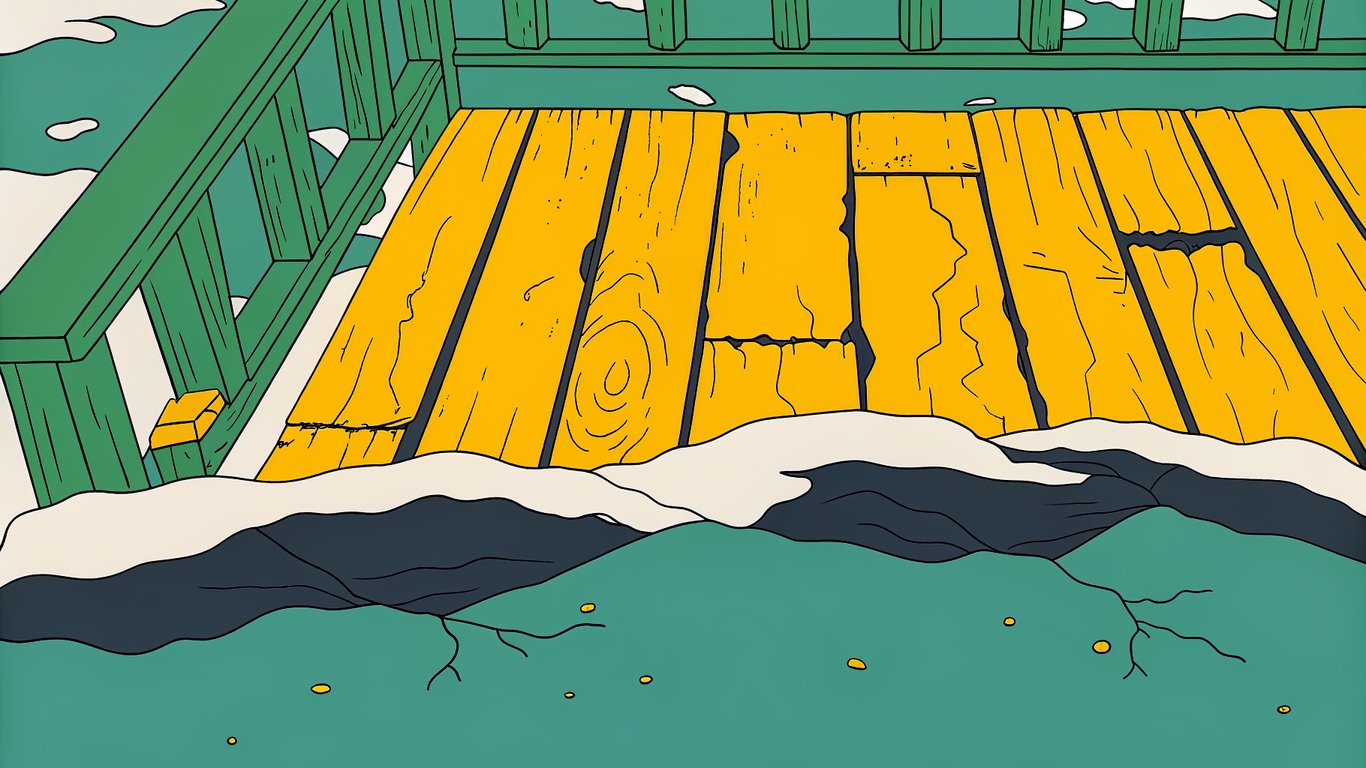
Quebec’s climate is tough on outdoor structures. Freeze-thaw cycles, heavy snow loads, and summer humidity demand quality materials and expert installation. A contractor who cuts corners might save you money upfront, but you’ll pay for it later.
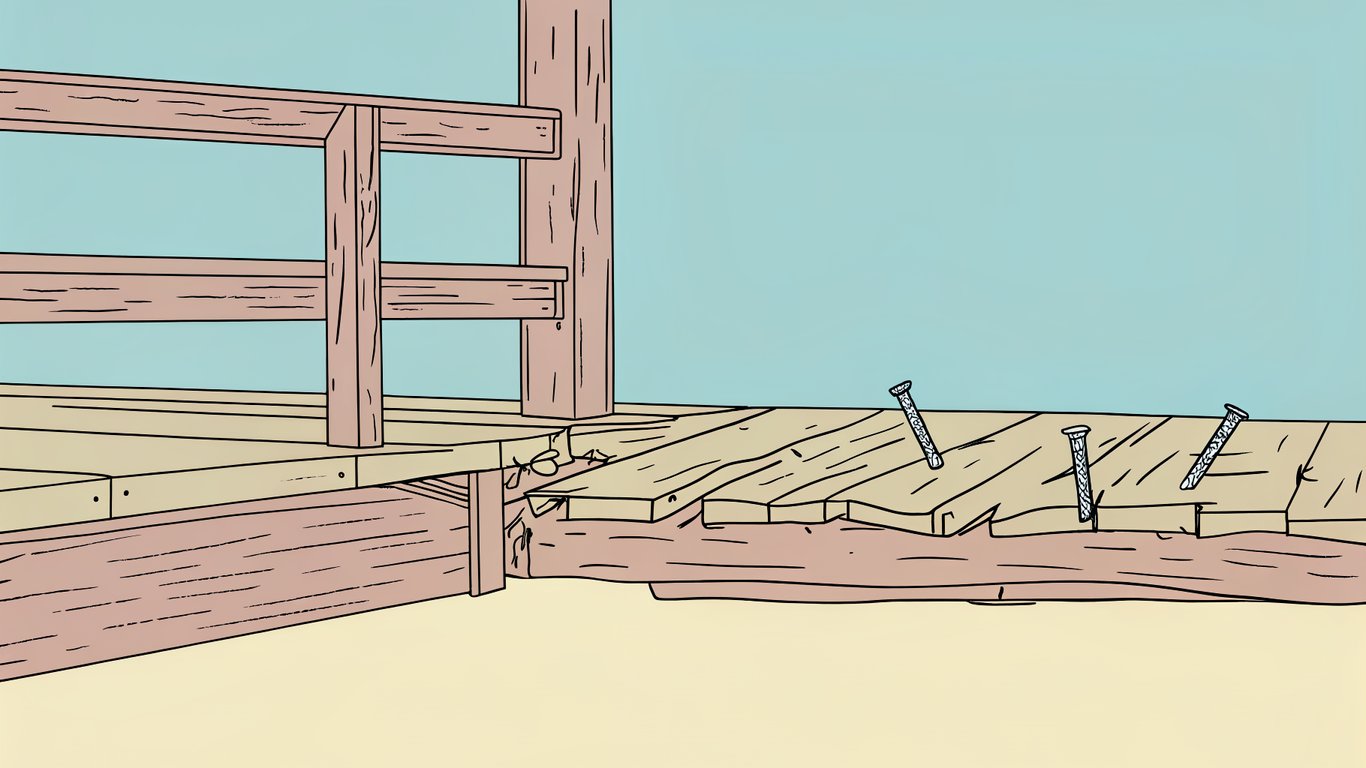
Poor workmanship shows up fast. Boards that warp after one winter. Railings that wobble. Stone pavers that shift and crack. Some homeowners end up tearing out brand-new decks and starting over because the original contractor used substandard materials or didn’t follow proper building techniques.
Then there’s the legal side. Working with an unlicensed contractor in Quebec can void your home insurance and leave you liable if someone gets hurt on your property. That cheap quote suddenly doesn’t look so appealing.
What This Guide Will Help You Achieve
This guide walks you through a systematic approach to evaluating contractor quotes. You’ll learn to look beyond price and assess the true value each contractor offers. By the end, you’ll have a framework for making confident decisions based on quality, reliability, and long-term value.
Gather Complete Quotes from Multiple Contractors
Before you can compare anything, you need quotes that are actually comparable. That means getting detailed, written estimates from multiple contractors who are bidding on the same scope of work.
How Many Quotes Should You Get?
Three to five quotes hits the sweet spot. Two isn’t enough to see the full range of options and pricing. More than five becomes overwhelming and wastes everyone’s time, including yours.
Getting quotes takes effort. Each contractor needs to visit your property, take measurements, discuss your vision, and prepare a detailed estimate. Respect their time by only requesting quotes from contractors you’re seriously considering.
Essential Information Every Quote Must Include
A proper quote should leave no room for confusion. Here’s what you need to see in writing:
- Detailed scope of work describing exactly what will be built, including dimensions and specifications
- Complete materials list with brands, grades, and quantities specified
- Project timeline with start and completion dates
- Payment schedule breaking down deposits and milestone payments
- Warranty information for both materials and workmanship
- RBQ license number (Régie du bâtiment du Québec)
- Proof of liability insurance and CNESST coverage
If a contractor hands you a one-page estimate with just a total price, ask for more detail. Professional contractors expect this request and have detailed quotes ready.
Quebec-Specific Requirements to Verify
Quebec has specific regulations for construction work. Every contractor doing deck or patio work needs an RBQ license. This isn’t optional. It’s the law.
Your project probably needs permits too. Decks over a certain height, structures attached to your house, and some patio installations require municipal permits. A good contractor knows which permits apply and includes permit costs in their quote.
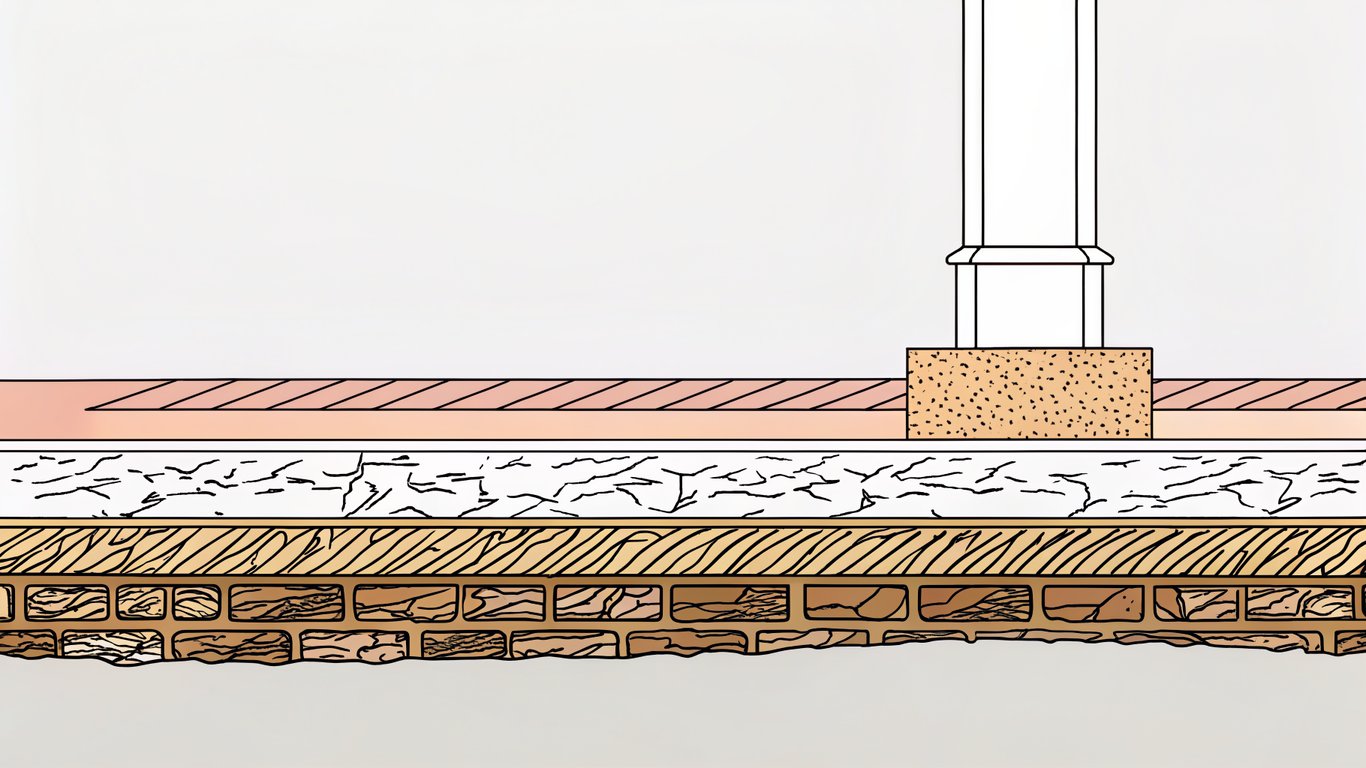
Quebec building codes are strict about things like railing height, joist spacing, and frost depth for footings. Make sure your contractor mentions code compliance in their proposal.
Red Flags in Quote Presentation
Some warning signs should make you think twice:

- Vague descriptions like « build deck » without specifics
- No RBQ license number listed
- Reluctance to provide a written estimate
- Pressure to sign immediately or lose a « special price »
- Cash-only payment requests
- Unusually low prices compared to other quotes
Trust your instincts. If something feels off about how a contractor presents their quote, it probably is.
Create Your Quote Comparison Framework
Now that you have your quotes, don’t just stack them up and compare total prices. You need a system to evaluate them fairly across multiple factors.
Setting Up Your Comparison Spreadsheet
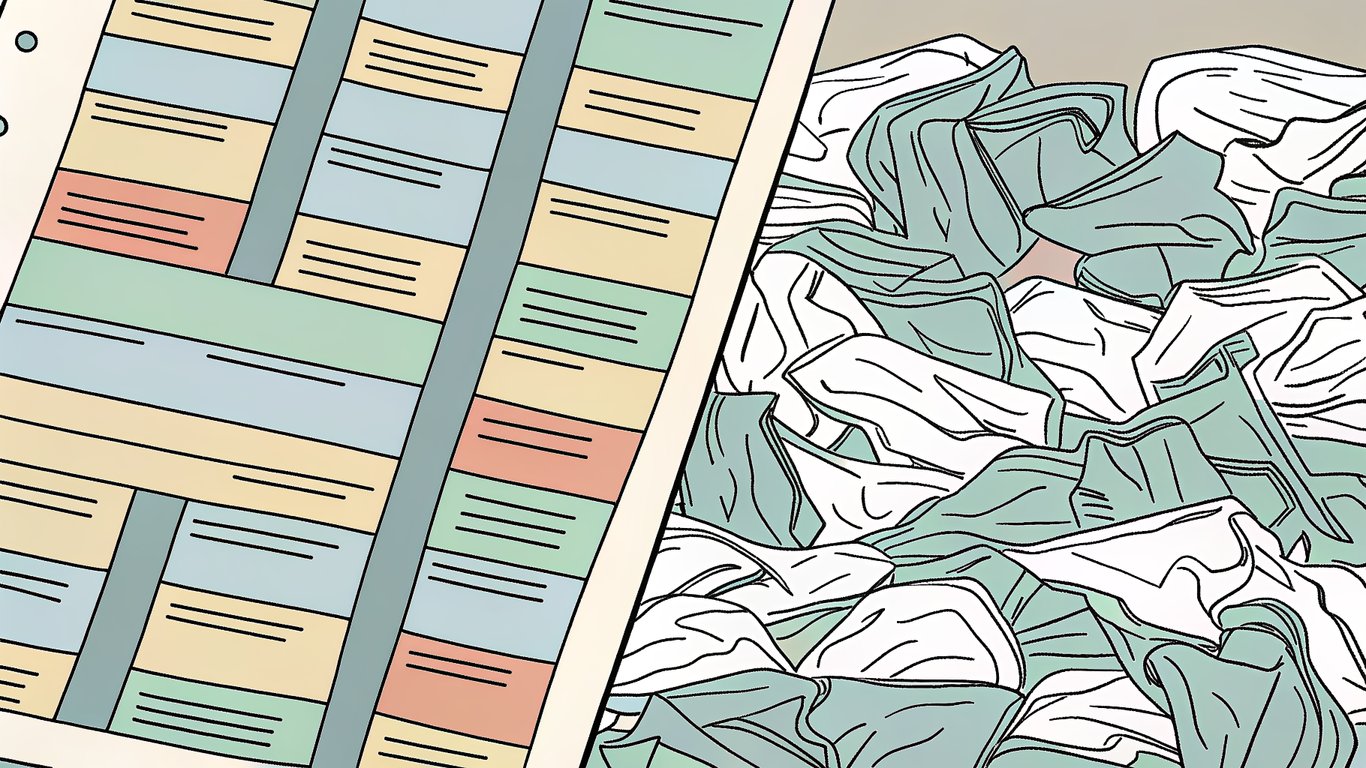
A simple spreadsheet makes comparison much easier. Set up columns for each contractor and rows for different comparison categories. You can use Excel, Google Sheets, or even a paper chart if that’s your style.
Your spreadsheet should have sections for pricing breakdown, materials specifications, timeline details, warranty terms, and contractor credentials. This lets you see everything at a glance instead of flipping through multiple documents.
Key Categories to Compare Side-by-Side
When you learn how to compare contractor quotes effectively, you realize price is just one piece of the puzzle. Here are the categories that matter:
| Category | What to Compare | Why It Matters |
|---|---|---|
| Total Cost | Bottom line price plus any additional fees | Your budget constraint |
| Materials | Specific brands, grades, and quality levels | Durability and longevity |
| Labor | Hours estimated and hourly rates | Skill level and efficiency |
| Timeline | Start date and completion estimate | Planning and convenience |
| Payment Terms | Deposit amount and payment schedule | Cash flow and risk |
| Warranty | Coverage period and what’s included | Long-term protection |
Assigning Weight to Different Factors
Not every factor matters equally for your situation. Maybe you need the project done before a specific date, making timeline more important than saving a few hundred dollars. Or perhaps you’re planning to sell your house soon, so a longer warranty doesn’t add much value for you.
Decide what matters most before you start comparing. This keeps you from getting swayed by a contractor who excels in areas you don’t really care about.
Break Down and Compare Pricing Components
The total price tells you almost nothing. You need to understand what you’re actually paying for.
Understanding Quote Line Items
Most deck and patio quotes break down into several categories. Materials typically include lumber or composite decking, fasteners, concrete for footings, and finishing products like stain or sealant. Labor covers the actual construction work. Then you’ve got permits, waste disposal, site preparation, and sometimes equipment rental.
Look at how each contractor allocates costs across these categories. Big differences in one area might indicate they’re using different materials or methods.
Identifying Hidden Costs and Exclusions
This is where cheap quotes often fall apart. Read the fine print carefully. What’s NOT included?
Some contractors exclude permit fees, assuming you’ll handle that yourself. Others don’t include removal of your old deck or patio. Site preparation, grading, or dealing with unexpected issues like buried utilities might be extra.
Ask each contractor directly: « What could cause the final price to be higher than this quote? » Their answer tells you a lot about their honesty and experience.
Comparing Apples to Apples
Contractors don’t all quote the same way. One might include a built-in bench in their base price. Another lists it as an optional add-on. One includes three coats of stain. Another includes two.
You need to normalize these differences. Add up what it would cost to get the exact same finished product from each contractor. Sometimes the « expensive » quote is actually the better deal once you account for everything.
Price vs. Value
A higher price might buy you better materials that last twice as long. Or a more experienced crew that finishes in half the time with better results. Or a contractor who returns your calls and fixes problems without arguing.
The question isn’t « which is cheapest? » It’s « which gives me the best value for my money? » Those are very different questions.
Evaluate Materials, Quality, and Workmanship Standards
Materials make or break outdoor projects in Quebec. Our weather doesn’t forgive cheap shortcuts.
Comparing Material Specifications for Quebec Climate
Quebec winters are brutal. Temperatures swing from minus 30 to plus 30 over the course of a year. That freeze-thaw cycle destroys materials that aren’t up to the challenge.
Look for materials rated for Canadian climates. Pressure-treated lumber should be rated for ground contact even if it won’t touch the ground. Composite decking needs to handle temperature extremes without warping. Stone and concrete need proper drainage to prevent frost heaving.
Decking and Patio Material Options
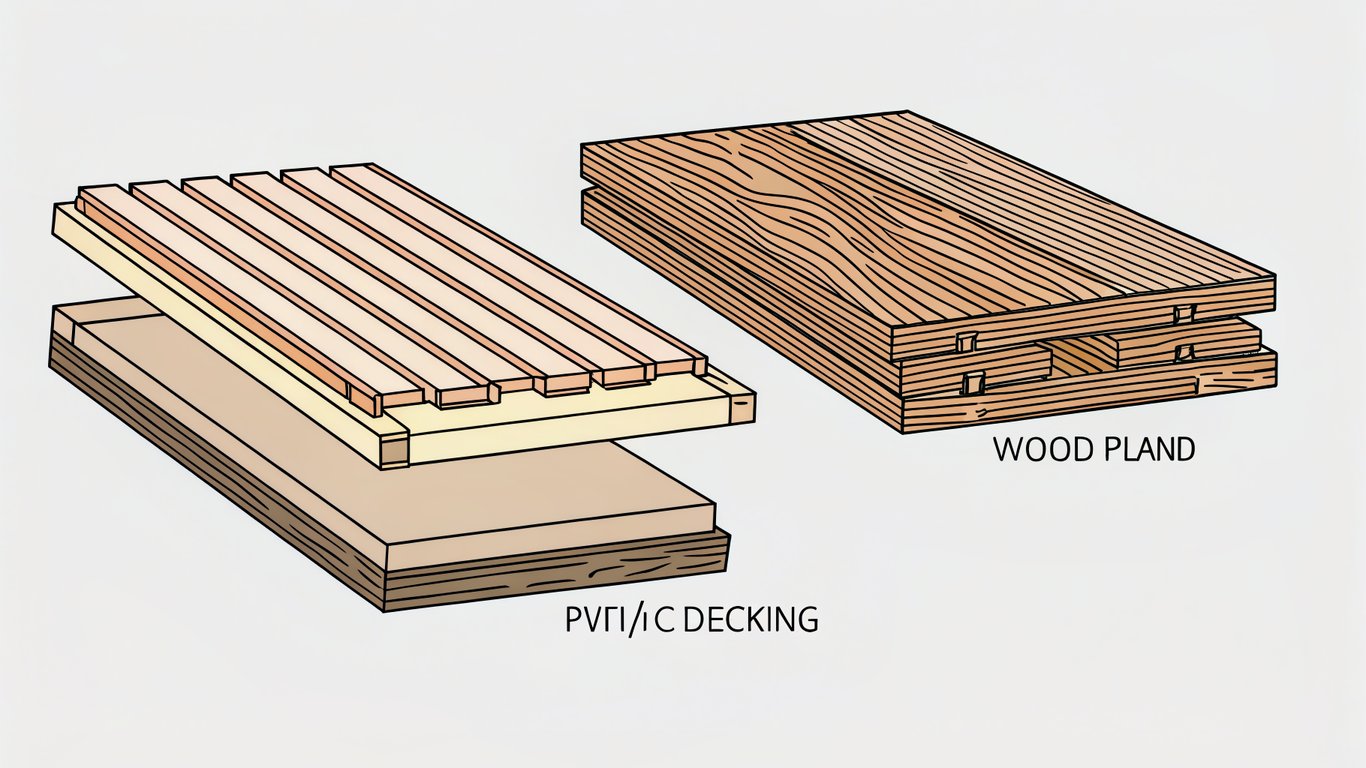
Different materials come with different price points and maintenance requirements. Pressure-treated lumber is the most affordable but needs regular maintenance. Cedar looks beautiful and resists rot naturally but costs more. Composite decking requires almost no maintenance but has a higher upfront cost.
For patios, you might see quotes for poured concrete, interlocking pavers, natural stone, or composite tiles. Each has pros and cons for Quebec weather. Make sure the quote specifies exactly which product line and grade the contractor plans to use.
Assessing Contractor Experience and Specialization
A contractor who builds decks every day will do better work faster than someone who does decks occasionally between other jobs. Ask how many similar projects they complete each year. Request photos of recent work, not just their best project from five years ago.
Check how long they’ve been in business. A contractor who’s survived multiple Quebec winters probably knows what they’re doing. New contractors aren’t necessarily bad, but they’re a bigger risk.
Warranty and Guarantee Comparison
Material warranties come from manufacturers. Workmanship warranties come from contractors. You want both.
A typical workmanship warranty covers defects in installation for one to five years. Longer is better, but only if the contractor will still be around to honor it. Material warranties vary widely. Some composite decking comes with 25-year warranties. Pressure-treated lumber might have limited coverage.
Read the warranty terms carefully. What’s actually covered? What voids the warranty? Who do you contact if there’s a problem?
Compare Timelines, Terms, and Project Management Approach
How a contractor manages your project matters as much as the finished product.
Project Timeline and Scheduling Commitments
Quebec’s construction season is short. Contractors book up fast in spring and summer. A contractor who can start next week in July is either very good at scheduling or doesn’t have much work. Figure out which.
Ask about weather delays. How do they handle rain days? What happens if materials arrive late? A realistic timeline with some buffer built in is better than an optimistic promise that won’t be kept.
Payment Terms and Schedule Analysis
Never pay the full amount upfront. That’s a recipe for disaster. A reasonable payment schedule might be 10-20% deposit, 40% when materials arrive, 30% at substantial completion, and 10% final payment after you’ve inspected everything.
Be wary of contractors who want 50% or more upfront. They might have cash flow problems or a history of not finishing jobs.
Communication and Project Management Style
How responsive was the contractor during the quoting process? That’s probably how responsive they’ll be during construction. If they took a week to return your calls before getting your money, imagine how long you’ll wait when there’s a problem.
Ask how they’ll keep you updated. Daily check-ins? Weekly progress reports? Will you have a direct contact or go through an office?
Contract Terms and Legal Protections
The contract should spell out what happens if things go wrong. How are disputes resolved? What if you need to make changes mid-project? What are the cancellation terms?
Quebec consumer protection laws give you certain rights, but a clear contract prevents most problems before they start.
Verify Credentials, Insurance, and References
Trust but verify. Even contractors with great quotes need to prove they’re legitimate.
Verifying RBQ License and Standing
The Régie du bâtiment du Québec maintains a public database of licensed contractors. Look up each contractor’s license number. Check that it’s current and covers the type of work you need done.
The database also shows any restrictions or conditions on their license. This is public information you should absolutely check.
Confirming Insurance Coverage
Contractors need liability insurance to cover property damage and injuries. They also need CNESST coverage for their workers. Ask to see current certificates of insurance. Don’t just take their word for it.
If a worker gets hurt on your property and the contractor doesn’t have proper coverage, you could be liable. That’s not a risk worth taking to save a few dollars.
Checking References and Past Project Reviews
Ask for three recent references, preferably for projects similar to yours. Actually call them. Ask specific questions: Did the contractor stay on schedule? Was the site kept clean? How did they handle problems? Would you hire them again?
Online reviews help too, but take them with a grain of salt. Look for patterns in complaints rather than individual bad reviews. Everyone has an unhappy customer occasionally.
Investigating Complaint History
Check if the contractor has complaints filed with the RBQ or consumer protection agencies. A few resolved complaints over many years isn’t necessarily a red flag. Multiple unresolved complaints or a pattern of similar issues should make you think twice.
Make Your Final Decision and Negotiate if Needed
You’ve done your homework. Now it’s time to decide.
Scoring and Ranking Your Quotes
Go back to your comparison spreadsheet. Rate each contractor on the factors that matter to you. You might score them 1-10 on price, materials quality, timeline, communication, and credentials.
Weight the scores based on your priorities. If timeline is critical, maybe it counts double. Add up the weighted scores. The highest total is probably your best choice, but use your judgment too. Numbers don’t capture everything.
When and How to Negotiate with Contractors
You can negotiate, but be reasonable. If one contractor quoted $15,000 and another quoted $12,000 for similar work, you might ask the first contractor if they can adjust their price. But don’t expect them to match a lowball quote that’s clearly unrealistic.
Better negotiation targets are payment terms, timeline, or included extras. Maybe they’ll throw in a second coat of stain or extend the warranty if you’re choosing between them and a competitor.
Asking for Quote Clarifications or Adjustments
If you want to compare contractor quotes fairly, make sure you understand exactly what each one includes. Don’t be shy about asking for clarification. A good contractor welcomes questions.
You can also ask contractors to requote with modifications. Maybe you want to see the price with upgraded materials or a simplified design. Most contractors will provide revised quotes if you’re seriously considering them.
Finalizing Your Contract and Next Steps
Before you sign anything, read the entire contract carefully. Make sure everything you discussed is in writing. Verbal promises mean nothing if they’re not in the contract.
Check that the contract includes the scope of work, materials specifications, timeline, payment schedule, warranty terms, and both parties’ responsibilities. If something’s missing or unclear, get it fixed before signing.
Once you’ve signed, keep a copy of everything: the contract, quotes, plans, permits, and all correspondence. You probably won’t need it, but you’ll be glad you have it if problems come up.
Your Roadmap to Contractor Quote Comparison Success
Choosing a contractor doesn’t have to be stressful. With a systematic approach to comparing quotes, you can make a confident decision based on value, not just price.
Quick Reference Checklist
Here’s your quick checklist for comparing contractor quotes:
- Collect 3-5 detailed written quotes
- Verify RBQ license for each contractor
- Confirm insurance coverage
- Create comparison spreadsheet
- Break down pricing components
- Compare materials specifications
- Evaluate timelines and payment terms
- Check references and reviews
- Score quotes on weighted factors
- Review contract thoroughly before signing
Common Mistakes to Avoid
Don’t fall into these traps. Choosing based solely on price usually backfires. The cheapest quote often comes from contractors who cut corners or don’t understand the full scope of work.
Skipping credential checks is another big mistake. Verifying licenses and insurance takes 10 minutes and could save you from major legal and financial problems.
And don’t rush your decision. Take the time to compare quotes properly. Your deck or patio will be part of your home for years. A few extra days of research is worth it to get the right contractor for your project.